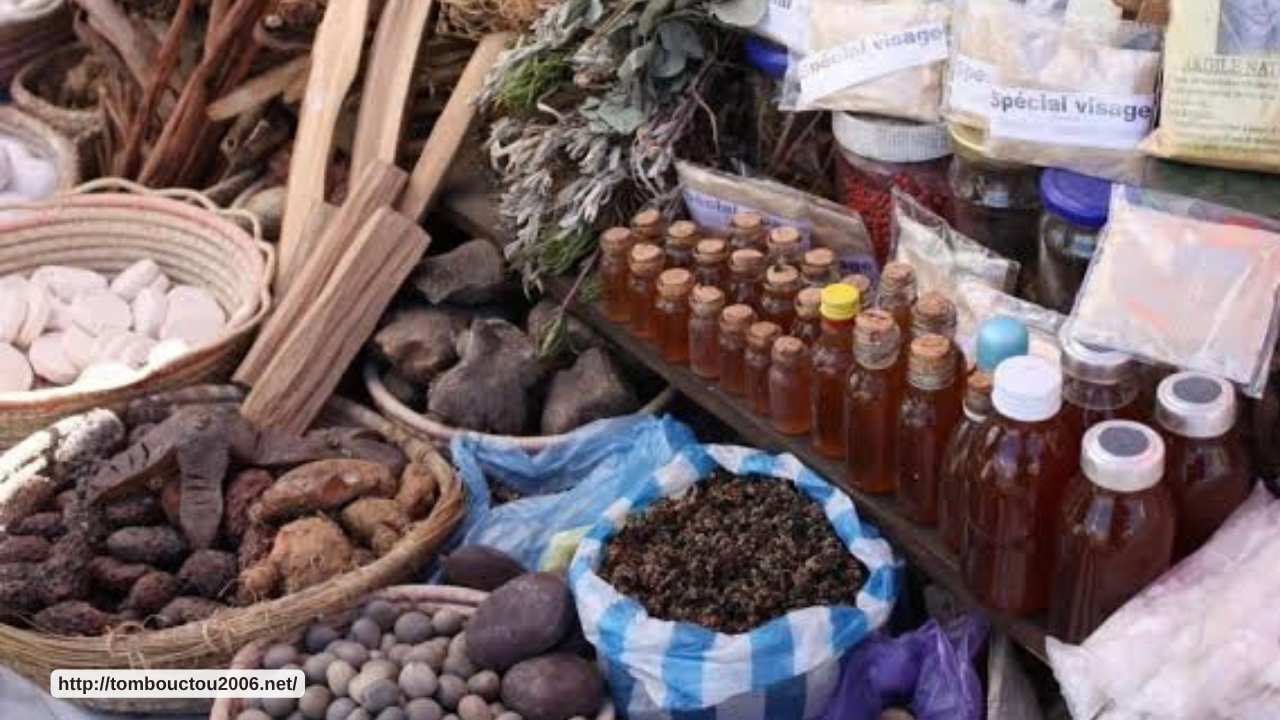
Addiction is a complex challenge that affects not only individuals but also families and entire communities. In Mali, healing has long been guided by ancient wisdom, with traditional medicine playing a central role in promoting physical, emotional, and spiritual well-being. Today, this wisdom is being combined with modern clinical practices to create a compassionate, holistic approach to addiction recovery. At Tombouctou2006.net, this integration ensures that every person seeking help receives care that respects cultural heritage while providing evidence-based support.
The Role of Traditional Medicine in Mali
For generations, traditional healers have been trusted advisors in Malian communities. They use herbal remedies, spiritual guidance, and community-centered practices to treat a wide range of conditions. When it comes to addiction, traditional medicine addresses not only physical dependence but also the emotional and spiritual imbalance that often accompanies substance use.
Herbal treatments made from roots, leaves, and seeds are commonly used to help manage withdrawal symptoms, reduce cravings, and restore overall well-being. These remedies, combined with rituals and community involvement, help individuals reconnect with their families, faith, and social networks, which are critical components of recovery.
Bridging Tradition with Modern Clinical Care
Inpatient and Outpatient Addiction Programs
Modern rehabilitation centers in Mali, including those supported by Tombouctou2006, provide structured inpatient and outpatient programs. Inpatient programs offer a safe environment for detoxification, therapy, and intensive support, while outpatient programs allow individuals to continue treatment while maintaining family and work responsibilities.
Integrating traditional healing practices into these clinical programs ensures that recovery is culturally meaningful and accessible. This approach helps clients feel respected, understood, and motivated to engage fully in their treatment.
Mental Health and Personalized Treatment
Addiction is often linked with mental health conditions such as anxiety, depression, and trauma. Addressing these issues is essential for long-term recovery. Tombouctou2006 emphasizes individualized care plans that combine modern mental health treatment with culturally relevant practices. This personalized approach allows clients to heal both physically and emotionally, while maintaining a strong connection to their cultural roots.
Faith, Family, and Community in Recovery
Faith and spirituality play a vital role in Malian culture and in addiction recovery. Spiritual guidance, prayer, and community rituals provide emotional support and a sense of purpose that strengthens resilience. Family involvement is also critical. Counseling sessions, family workshops, and community support programs help rebuild trust, improve communication, and create a supportive environment for lasting recovery.
By combining faith, family, and professional care, individuals gain the tools and support needed to achieve and maintain sobriety.
Why Integrating Ancient Wisdom and Modern Healing Works
Blending traditional medicine with modern clinical care addresses the whole person—mind, body, and spirit. This integrated approach reduces stigma, encourages early engagement, and promotes long-term recovery. Clients feel understood and supported, families are empowered, and communities benefit from healthier, more connected individuals.
Taking the First Step Toward Recovery
Addiction recovery is possible when care respects cultural identity and provides professional support. At Tombouctou2006.net, compassionate professionals guide individuals through every step of the recovery process, combining ancient wisdom with modern treatment to create a path toward lasting wellness.
If you or a loved one is struggling with addiction, reaching out today can be the first step toward reclaiming health, hope, and purpose. Healing begins with connection, and support is available.
