Addiction is not only a medical challenge but also a deeply personal and cultural struggle. In Mali, where traditions run strong and community ties are central to everyday life, traditional healers have long played an important role in supporting those who face substance use challenges. Today, as modern clinics expand and evidence-based treatment becomes more accessible, the wisdom of traditional medicine continues to offer valuable support. By combining cultural roots with clinical care, Mali is creating a more holistic and compassionate approach to recovery.
Understanding the Cultural Role of Traditional Healers
For centuries, traditional healers in Mali have been trusted sources of care. Families often turn to them for guidance, not only for physical illness but also for emotional and spiritual struggles. In the context of addiction, healers use remedies based on local plants, spiritual practices, and community support to restore balance in a person’s life. These practices are grounded in cultural identity, which helps individuals feel understood and accepted during their recovery journey.
Traditional Remedies and Their Place in Recovery
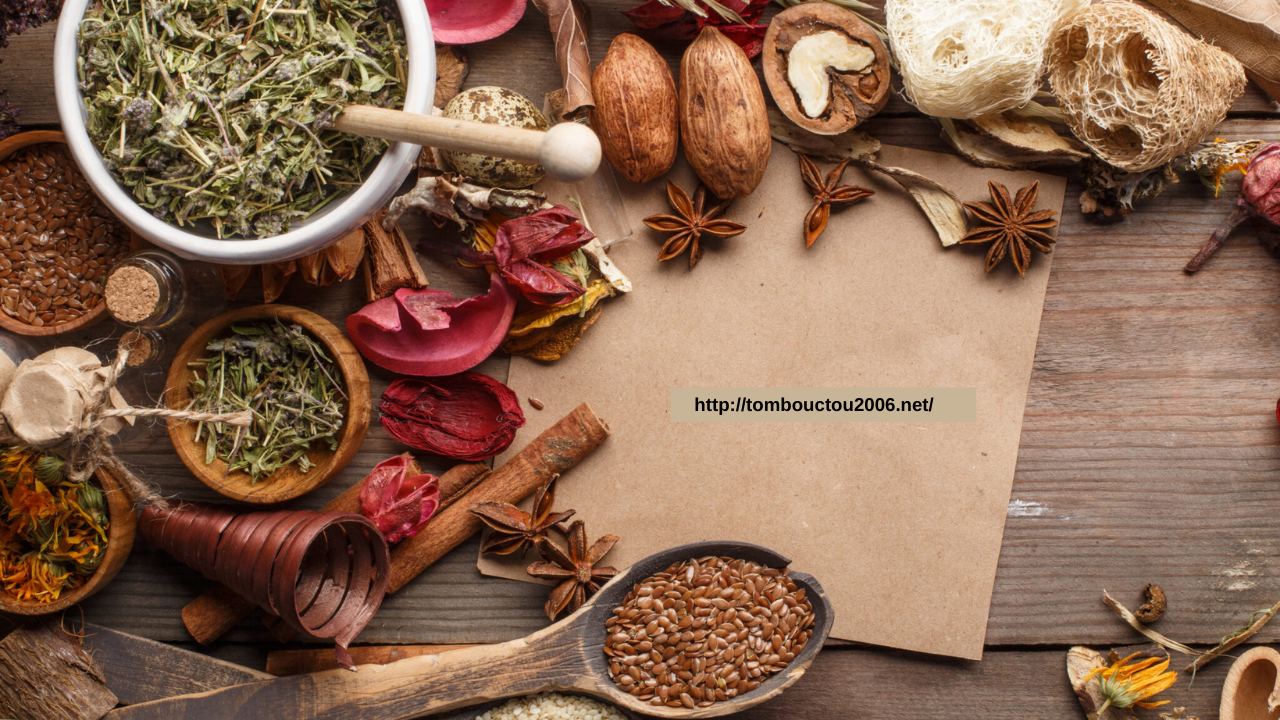
Many healers in Mali rely on herbal medicine and ritual practices that aim to cleanse the body and strengthen the spirit. Remedies prepared from roots, leaves, and seeds are believed to reduce cravings, calm anxiety, and improve overall well-being. Beyond the physical aspects, healers also emphasize restoring harmony within families and communities, which can be essential in breaking the isolation that often comes with addiction.
While these remedies may not replace professional medical treatment, they provide a supportive layer of care that addresses cultural and emotional needs. For many, beginning recovery with the guidance of a healer creates trust and motivation that leads them toward further professional support.
Bridging Traditional Healing with Modern Care
Mali’s growing network of clinics and wellness centers, including inpatient and outpatient care programs, recognizes the importance of integrating traditional wisdom with modern healthcare. By respecting cultural practices while offering therapies like counseling, detox services, and evidence-based mental health care, recovery programs are more effective and accessible.
This integrated approach acknowledges that healing addiction is not only about treating the body but also about rebuilding the spirit and strengthening the family unit. A faith-based or holistic care model often creates a bridge between traditional healers and modern practitioners, ensuring that individuals receive both compassion and clinically proven treatment.
Community and Family as Foundations for Healing
In Malian society, family and community play a vital role in recovery. Traditional healers often involve family members in the healing process, emphasizing collective responsibility and encouragement. This aligns with the values of modern holistic treatment, where family counseling and community support groups strengthen long-term recovery. Together, these approaches reinforce the idea that no one should face addiction alone.
Toward a Compassionate and Inclusive Future
The future of addiction recovery in Mali lies in honoring both cultural roots and clinical progress. Traditional healers provide wisdom, trust, and a sense of belonging, while modern rehabilitation centers offer structured programs, medical oversight, and individualized care. When these paths come together, they create a more inclusive model of healing that meets people where they are.
Finding Help and Hope
Addiction recovery is a journey that requires patience, support, and the right tools. In Mali, traditional healers and modern clinics are working side by side to ensure that individuals receive care that is culturally respectful and medically effective. If you or someone you love is struggling with addiction, know that help is available. By combining roots and remedies with professional care, healing is possible and wellness can be reclaimed.
