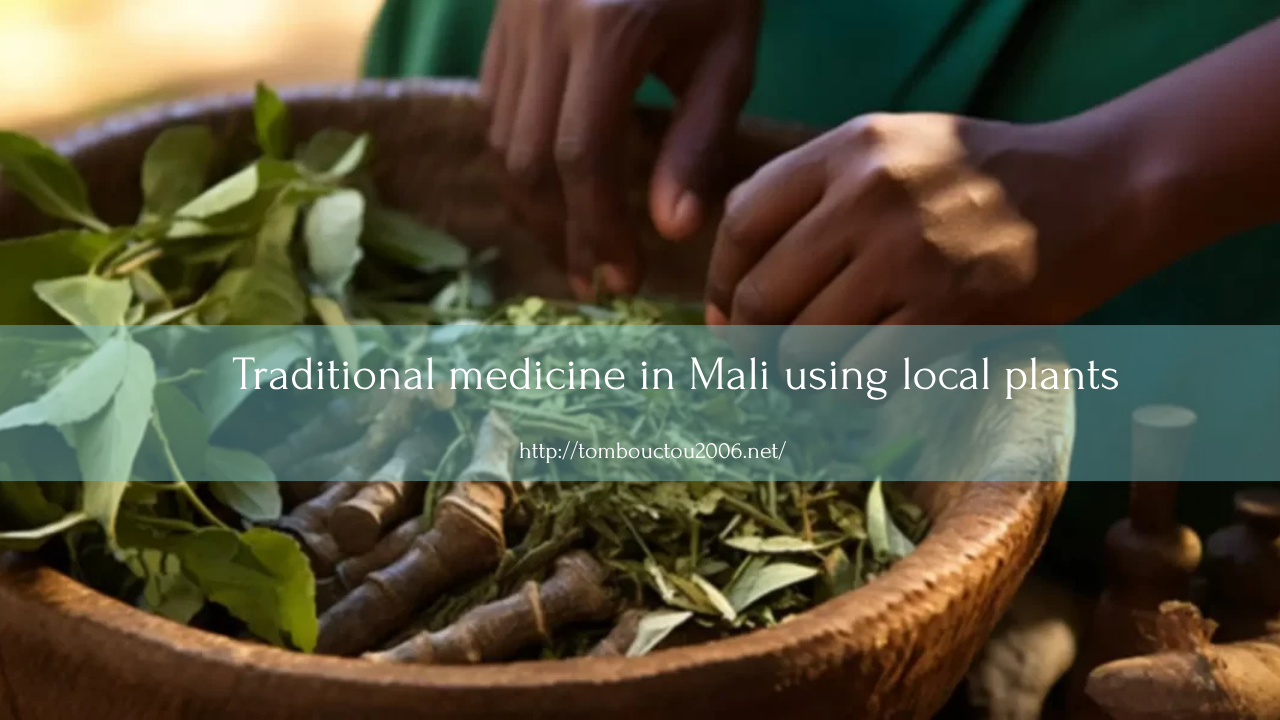
In the heart of West Africa, Mali is navigating a unique path in its battle against addiction—one that blends ancient herbal knowledge with modern science. As the nation faces increasing substance abuse, especially among youth and vulnerable communities, a compelling model of healing is emerging. It’s a model where sacred herbs and scientific medicine are not rivals but allies, working together to address the complex roots of addiction.
Traditional medicine in Mali is deeply woven into the cultural and spiritual fabric of society. For centuries, herbalists, marabouts, and village healers have treated ailments using local plants and rituals passed down through generations. Addiction, in this context, is often seen not just as a health condition but as a spiritual or moral imbalance. Treatment involves more than the body—it includes the soul and the community.
Sacred herbs such as neem, baobab bark, tamarind root, and moringa are commonly used for detoxification, calming the nervous system, and restoring balance. These plants are prepared as teas, pastes, or powders, sometimes combined with rituals that include prayer, fasting, or the wearing of protective amulets. These remedies are believed to purge impurities and realign the individual with their spiritual purpose, offering both physical relief and emotional support.
However, while effective in many ways, traditional healing methods alone may not fully address the neurological and psychological components of addiction—especially in cases involving chemical dependency or co-occurring mental illnesses. This is where modern science steps in, offering tools such as cognitive behavioral therapy, medication-assisted detox, and psychiatric care. These approaches provide a clinical framework for understanding addiction as a chronic disease rather than a moral failing.
The real innovation lies in combining these two worlds. In some areas of Mali, partnerships between traditional healers and healthcare providers are beginning to form. These collaborations aim to integrate botanical wisdom and scientific evidence, creating culturally relevant and medically sound recovery programs. For instance, some rehabilitation centers now incorporate herbal detox protocols alongside psychological counseling, while also respecting spiritual beliefs and involving family support systems.
Research is also underway to study the pharmacological properties of Mali’s medicinal plants. Early studies suggest that certain herbs long used by traditional healers may have legitimate therapeutic effects—such as anti-anxiety, anti-inflammatory, or sedative properties—which could complement modern treatments. This fusion of ethnobotany and clinical science offers a promising direction for both healing and innovation.
Crucially, this integrative approach reduces stigma, encouraging more people to seek help. When traditional practices are respected within medical settings, patients feel seen and understood, not judged. It also opens doors to more accessible, affordable care in rural areas where clinics are scarce but herbal knowledge is abundant.
In Mali’s fight against addiction, the convergence of sacred herbs and scientific medicine is more than just practical—it is powerful. It reflects a healing philosophy that honors both the wisdom of ancestors and the advancements of modern healthcare. And in doing so, it offers hope, dignity, and a path forward for those seeking to reclaim their lives from addiction.
