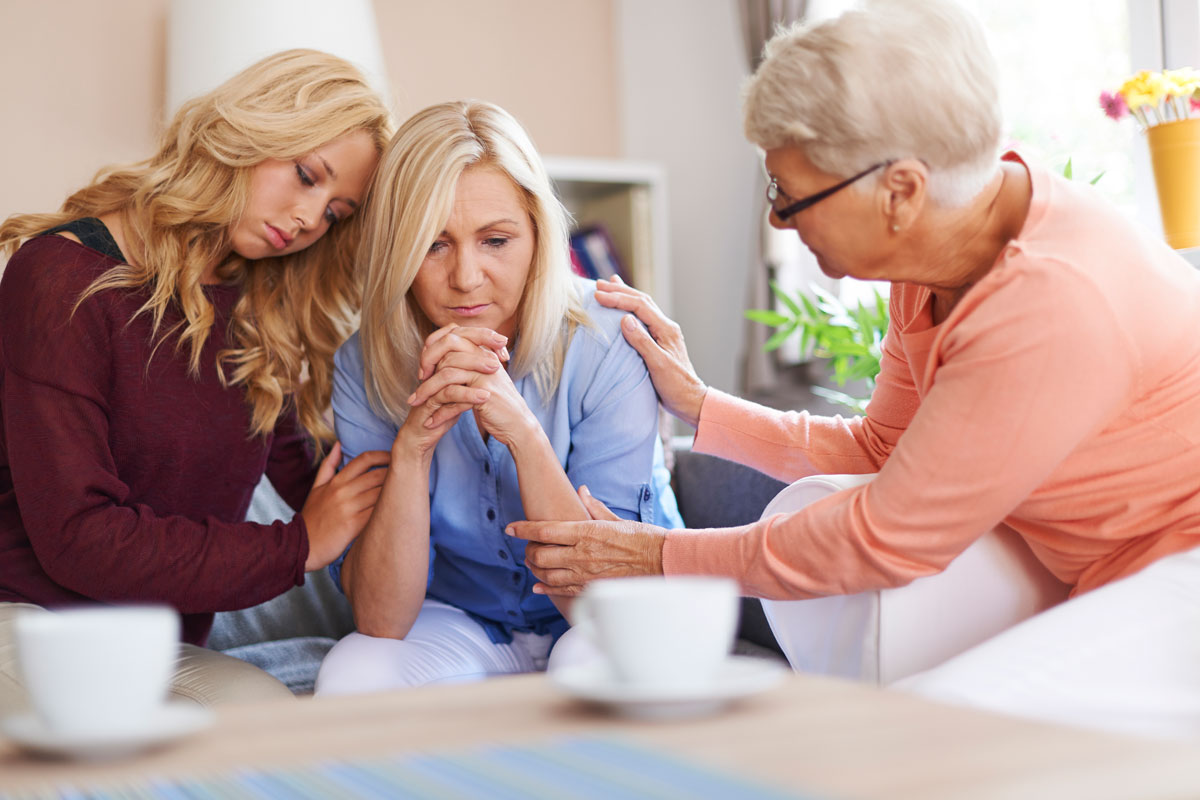
Addiction and mental health challenges rarely affect just one person. They impact families, relationships, and entire communities. In Mali, families play a central role in the healing process, offering emotional strength, cultural guidance, and daily support. At the same time, families often experience confusion, fear, and exhaustion when trying to help a loved one struggling with substance use or mental health concerns. Effective treatment programs in Mali recognize this reality. They provide compassionate, individualized care that includes family involvement, holistic healing, and professional mental health services designed to support everyone affected by addiction.
Understanding the Family Impact of Addiction and Mental Health
Families are often the first to notice changes in behavior, mood, and functioning. They may see their loved one withdraw, struggle with work or school, or face increasing health challenges. Without proper education and support, families may feel helpless or unintentionally respond in ways that increase stress for everyone involved.
Emotional Strain on Loved Ones
Watching someone struggle with addiction or mental illness can create deep emotional pain. Family members may experience anxiety, guilt, anger, or fear for their loved one’s safety. Over time, these feelings can lead to burnout if families do not receive their own support and guidance.
Breaking the Cycle of Silence and Stigma
In some communities, addiction and mental health challenges are still surrounded by stigma. Families may hesitate to seek professional help due to fear of judgment. Education and open communication are essential for breaking this cycle. When families understand that addiction and mental health conditions are treatable health issues, they become more empowered to seek effective care.
The Role of Professional Treatment Programs in Mali
Modern treatment programs in Mali focus on both individual recovery and family healing. By offering inpatient and outpatient services, mental health counseling, and holistic support, these programs help families navigate the recovery process together.
Inpatient Care for Stabilization and Intensive Support
Inpatient treatment provides a structured environment where individuals can focus fully on recovery. Medical supervision, counseling, and daily therapeutic activities help stabilize both physical and emotional health. Families benefit from knowing their loved one is receiving consistent, professional care during critical stages of treatment.
Outpatient Programs for Ongoing Recovery
Outpatient services allow individuals to continue therapy and support while maintaining daily responsibilities. Families remain actively involved, attending education sessions and learning how to encourage healthy habits at home. This ongoing connection strengthens the recovery process and helps prevent relapse.
Holistic and Faith Based Support for Families
Holistic care acknowledges that healing involves more than clinical treatment. Emotional, spiritual, and cultural elements play an important role in long term recovery for both individuals and families.
Faith and Spiritual Guidance
Faith based support offers families a sense of hope and meaning during difficult times. Prayer, reflection, and spiritual counseling can help family members process their experiences, rebuild trust, and maintain resilience throughout recovery.
Individualized Family Care Plans
Each family is unique. Personalized treatment plans consider cultural values, communication styles, and family dynamics. Family counseling sessions help improve understanding, rebuild relationships, and develop healthier patterns of interaction that support long term healing.
Practical Ways Families Can Support Recovery
Families often ask what they can do to help without feeling overwhelmed. Effective support involves both compassion and healthy boundaries.
Learn About Addiction and Mental Health
Education is one of the most powerful tools families have. Understanding triggers, relapse risks, and emotional challenges helps families respond with empathy rather than frustration.
Encourage Healthy Routines
Structure and stability are essential for recovery. Families can support positive habits such as attending therapy sessions, maintaining consistent schedules, and practicing stress management techniques.
Prioritize Self Care
Supporting a loved one does not mean neglecting personal wellbeing. Family members should seek their own counseling or support groups when needed. Caring for oneself improves the ability to offer consistent, compassionate support.
Building Stronger Families and Healthier Communities
When families are involved in recovery, outcomes improve. Relationships become stronger, communication improves, and individuals feel more motivated to stay engaged in treatment. Mali’s evolving healthcare programs continue to emphasize family centered care as a core component of effective addiction recovery and mental health treatment.
Taking the Next Step Toward Healing
If your family is facing addiction or mental health challenges, know that help is available. Compassionate treatment programs that combine professional counseling, holistic healing, and faith based support can guide families toward recovery and renewed hope. Reaching out for help is a powerful step toward healing not only the individual but also the entire family system. With the right support, families in Mali can move forward together, stronger, healthier, and more connected than before.
