Substance abuse is a growing health crisis in Mali, silently affecting individuals and families across both rural villages and bustling urban centers. From traditional chewing tobacco and alcohol to modern threats like opioids, cannabis, and pharmaceuticals, addiction is no longer confined to the margins of society. It has become a national challenge, requiring innovative and localized responses. Today, Mali is working to build a multi-layered approach to substance abuse care, connecting small village clinics with larger urban treatment centers to form a national network of support.
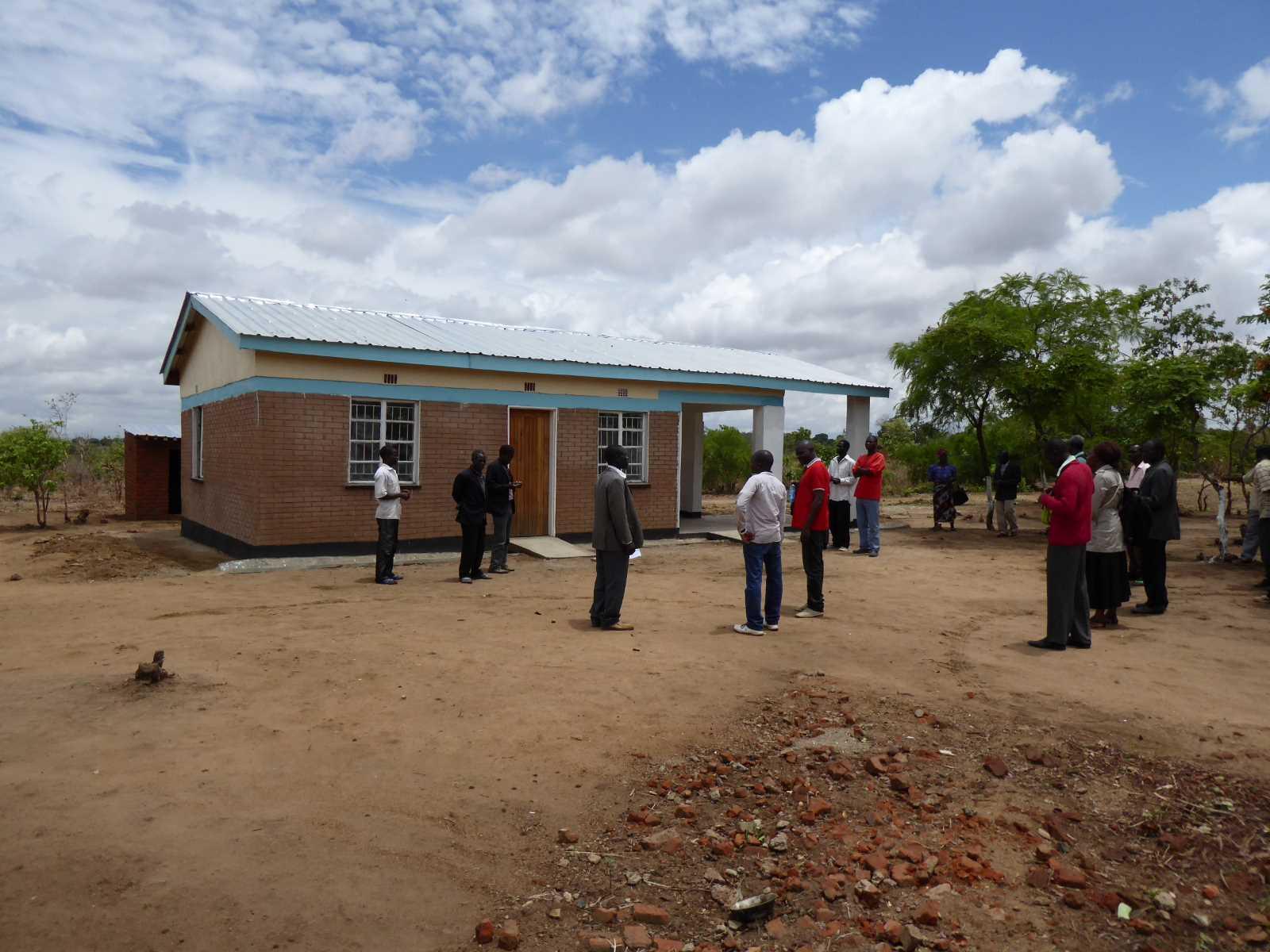
In rural areas, healthcare is often delivered through community health centers and village clinics. These small, often understaffed facilities serve as the first line of defense against health problems, including substance misuse. However, limited resources and the cultural stigma surrounding addiction have historically kept these clinics from addressing drug and alcohol abuse directly. Instead, traditional healers have often been the primary caregivers for people battling addiction, using herbal remedies, rituals, and spiritual counseling.
Recognizing the gap, Mali’s health authorities, in partnership with NGOs and international organizations, are working to train rural healthcare workers to identify the signs of substance abuse, provide basic counseling, and refer patients to larger medical facilities when necessary. Some clinics are even collaborating with traditional healers, creating culturally sensitive programs that blend modern medical knowledge with ancestral practices. This partnership is helping to bridge the trust gap between formal healthcare and the community.
Meanwhile, in urban centers like Bamako, Sikasso, and Mopti, addiction services are expanding, though still in the early stages. Hospitals and specialized clinics are beginning to offer detox programs, psychotherapy, group counseling, and medication-assisted treatments. These centers often face challenges such as overcrowding, funding shortages, and a lack of trained mental health professionals. Despite this, they represent critical hubs for addiction recovery, especially for individuals experiencing severe dependency or co-occurring mental health disorders.
Mali’s evolving response also includes education and prevention initiatives. Outreach programs in schools and neighborhoods are raising awareness about the risks of drug and alcohol abuse. Radio broadcasts, community meetings, and partnerships with religious leaders help spread messages of prevention and compassion, aiming to reduce stigma and encourage early intervention.
One of the most promising developments is the effort to create referral networks, linking village clinics with urban treatment centers. Patients who begin their journey in a rural setting can now access advanced care in the city when needed, while follow-up care and reintegration support are provided locally to prevent relapse. This system allows for a continuum of care that respects both local traditions and modern medical practices.
Mali’s response to substance abuse is still developing, but the country is taking important steps toward building a comprehensive care model. From the smallest village clinic to the largest city hospital, a new framework is emerging—one that recognizes addiction as a health issue, not a moral failing, and one that values both community-based wisdom and clinical expertise.
