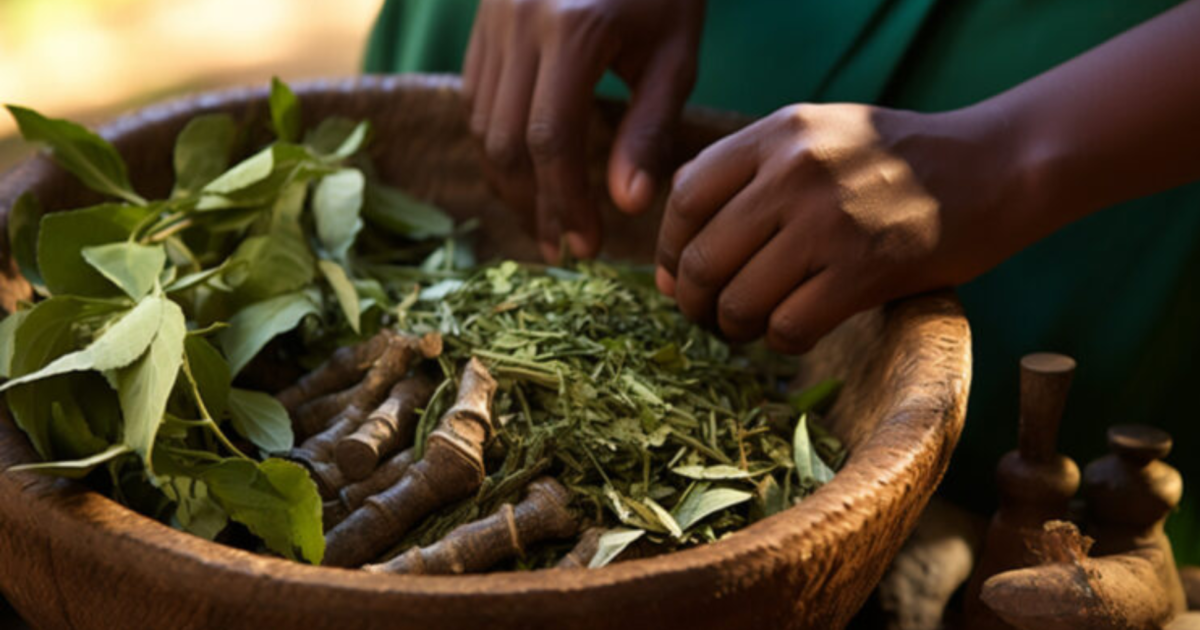
Healing in Mali has always been about more than treating symptoms. It is rooted in community, faith, family, and a deep respect for the connection between the mind, body, and spirit. Today, as Mali continues to strengthen its healthcare systems, a meaningful integration is taking place. Traditional healing practices are increasingly working alongside modern medical and mental health care to support lasting wellness, including addiction recovery and emotional healing. This blended approach reflects a compassionate, client centered model of care that honors cultural identity while embracing evidence based treatment.
Understanding Health and Healing in Mali
Health in Mali is traditionally viewed as a balance. Physical wellbeing, emotional stability, spiritual faith, and social connection are all seen as essential. When one area is disrupted, whether through addiction, trauma, or mental illness, healing must address the whole person rather than a single diagnosis.
The Role of Traditional Medicine
Traditional medicine has long played a central role in Malian life. Herbal remedies, spiritual counseling, prayer, and guidance from respected healers are often the first steps people take when facing illness or emotional distress. These practices focus on restoring harmony, strengthening personal responsibility, and reconnecting individuals with their values and community.
For people struggling with substance use or mental health challenges, traditional approaches can provide comfort, cultural familiarity, and spiritual grounding. They often emphasize accountability, reflection, and moral renewal, which can be powerful motivators for change when paired with professional care.
The Growing Role of Modern Healthcare
While tradition remains important, modern healthcare in Mali has expanded significantly in recent years. Clinical addiction treatment, mental health services, and structured inpatient and outpatient programs are becoming more accessible. These services provide medical supervision, psychological support, and evidence based therapies that address the biological and behavioral aspects of addiction and mental illness.
Addiction Recovery and Mental Health Treatment
Addiction is a complex condition that affects the brain, emotions, relationships, and daily functioning. Modern treatment approaches recognize this complexity. Medically supervised detox, counseling, relapse prevention planning, and ongoing mental health care are essential components of effective recovery.
Mental health treatment also plays a critical role. Conditions such as depression, anxiety, and trauma often coexist with substance use disorders. Integrated care helps individuals understand the root causes of their struggles and develop healthier coping strategies.
Where Traditional and Modern Care Meet
The most effective healing often happens when traditional wisdom and modern healthcare work together rather than in opposition.
Holistic and Individualized Care
Holistic care acknowledges that recovery is not one size fits all. By respecting cultural beliefs and faith based values, treatment providers can create personalized care plans that feel safe and relevant. Traditional practices such as prayer, meditation, and community support can complement clinical therapy and medical treatment.
For example, a person in an inpatient or outpatient program may receive counseling and medical care while also engaging in spiritual reflection or culturally meaningful rituals. This integrated approach can strengthen trust, increase engagement in treatment, and support long term recovery.
Supporting Families and Communities
In Mali, healing is rarely an individual journey. Families and communities are deeply involved. Modern treatment programs increasingly recognize the importance of family education, community reintegration, and ongoing support. When loved ones understand addiction and mental health as treatable conditions, stigma is reduced and recovery becomes more sustainable.
Building a Path to Lasting Wellness
Uniting traditional medicine with modern healthcare creates a powerful pathway to wellness. It respects cultural identity while providing the structure and clinical expertise needed to address serious health challenges. For individuals seeking help with addiction or mental health concerns, this approach offers hope, dignity, and practical tools for change.
Recovery is not just about stopping harmful behaviors. It is about rebuilding a meaningful life, restoring relationships, and developing resilience for the future. By honoring both tradition and innovation, Mali continues to move toward a more compassionate and effective model of care.
Taking the Next Step Toward Healing
If you or someone you love is struggling with addiction or mental health challenges, you are not alone. Help is available, and recovery is possible. Compassionate, individualized care that integrates medical treatment, emotional support, and holistic healing can make all the difference.
Reaching out for support is a courageous first step. Whether you are seeking inpatient care, outpatient services, or guidance on holistic recovery options, connecting with a trusted treatment provider can open the door to lasting wellness and renewed hope.
