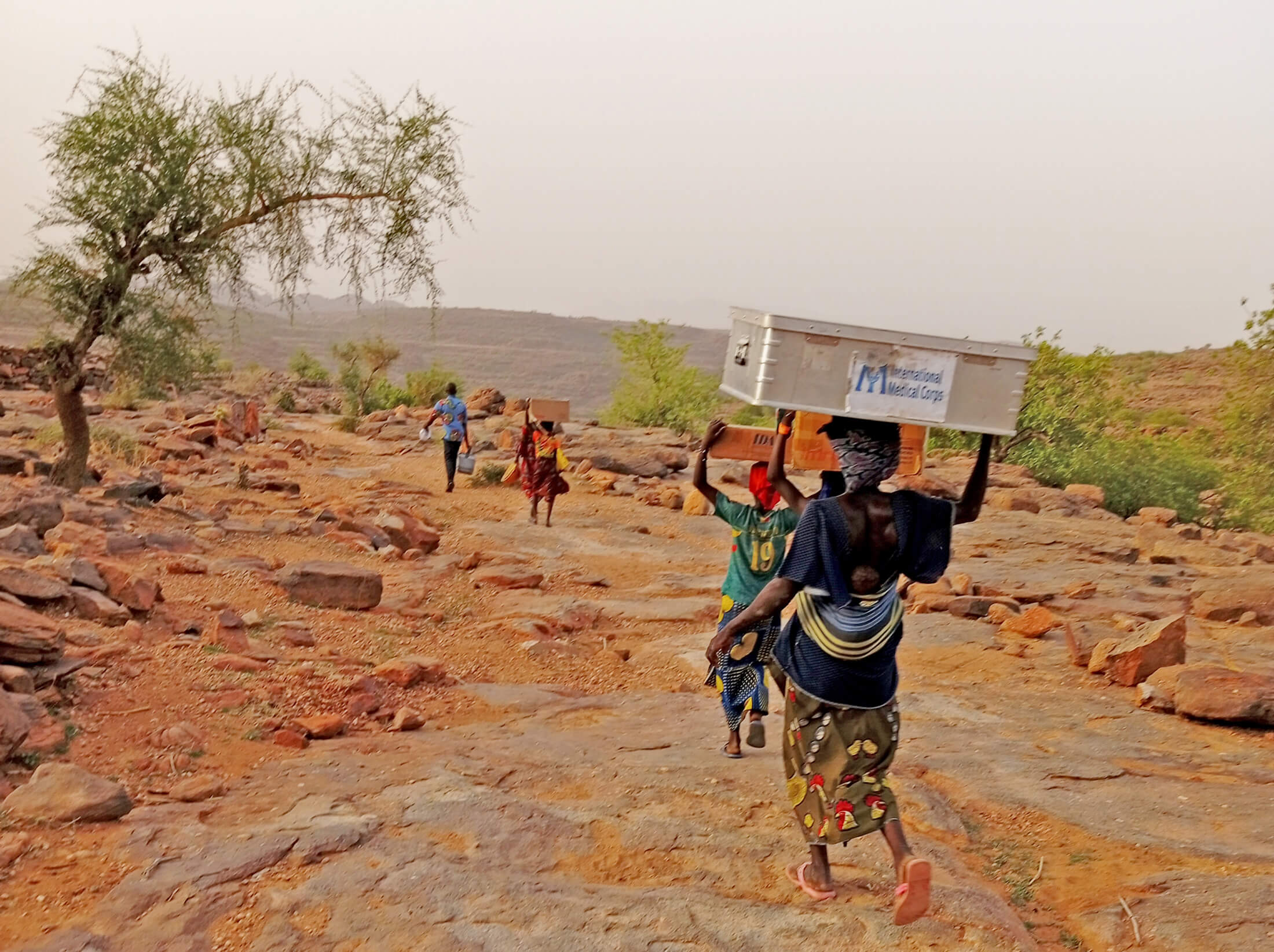
Mali’s healthcare system is evolving to meet the growing need for accessible and compassionate mental health and addiction treatment. For individuals and families facing substance use disorders, trauma, or emotional distress, care is no longer limited to emergency response or isolated treatment. Instead, a more integrated model is emerging, one that combines clinical services, community support, and holistic healing. This approach reflects a deeper understanding that recovery is not only medical, but also emotional, social, and cultural.
Understanding Mental Health and Addiction in Mali’s Healthcare System
Mental health and addiction challenges are increasingly recognized as serious public health concerns in Mali. These conditions affect individuals across all age groups and communities, often influenced by stress, trauma, economic hardship, and limited access to early intervention.
The Link Between Mental Health and Substance Use
Addiction rarely exists in isolation. Many individuals struggling with substance use also experience depression, anxiety, or unresolved trauma. These overlapping conditions require integrated care that addresses both psychological health and physical dependence at the same time.
When treatment focuses on only one aspect, recovery becomes more difficult. Mali’s evolving healthcare approach emphasizes comprehensive care that treats the whole person rather than isolated symptoms.
Addiction Recovery Services in Mali Today
Addiction treatment services in Mali are becoming more structured, accessible, and patient centered. These services aim to support individuals through every stage of recovery.
Medically Supported Detox and Stabilization
Detox is often the first step in recovery. It involves safely managing withdrawal symptoms under medical supervision. This stage is essential for stabilizing the body and preparing individuals for further treatment. Compassionate care during detox helps reduce fear and increases treatment engagement.
Inpatient Treatment Programs
Inpatient care provides a structured and supportive environment for individuals who need intensive treatment. Services often include therapy sessions, medical monitoring, counseling, and daily routines designed to support recovery. This level of care is especially important for individuals with severe addiction or co occurring mental health conditions.
Outpatient Treatment and Long Term Support
Outpatient programs allow individuals to continue treatment while returning to daily responsibilities. Regular counseling, therapy sessions, and relapse prevention planning help reinforce progress. This ongoing support plays a key role in maintaining long term recovery and preventing relapse.
Mental Health Treatment in Modern Healthcare
Mental health care is a vital part of Mali’s healthcare system. Treatment is designed to address conditions such as depression, anxiety, trauma, and stress related disorders.
Individual Counseling and Therapy
One on one counseling provides a safe space for individuals to explore emotional challenges and develop healthier coping strategies. Therapy helps patients understand triggers, improve emotional regulation, and build resilience.
Group Support and Shared Recovery
Group therapy offers connection and shared understanding. Individuals benefit from hearing others’ experiences, which reduces isolation and builds encouragement. This sense of community is often essential in sustaining long term mental wellness.
The Role of Holistic and Faith Based Care
In Mali, healthcare is not only clinical. It often includes holistic and faith based approaches that support emotional and spiritual wellbeing alongside medical treatment.
Spiritual Support in Recovery
Faith and spirituality provide strength, hope, and purpose for many individuals. Practices such as prayer, reflection, and spiritual counseling help people stay grounded during difficult stages of recovery. These elements complement clinical treatment and reinforce emotional stability.
Personalized and Holistic Treatment Plans
Every individual’s recovery journey is different. Personalized care plans ensure that treatment aligns with each person’s background, needs, and values. Holistic care may include lifestyle support, stress management techniques, and community engagement to support overall wellbeing.
Community and Family Support in the Healthcare System
Family and community involvement are essential components of recovery in Mali. Healing is often seen as a shared responsibility rather than an individual process.
Strengthening Family Understanding
Education for families helps reduce stigma and improves support at home. When families understand addiction and mental health as treatable conditions, they are better equipped to provide empathy and encouragement.
Community Reintegration and Support Networks
Rebuilding social connections is a key part of recovery. Community support systems help individuals transition back into daily life with encouragement and accountability. These networks reduce isolation and strengthen long term recovery outcomes.
Building a Future of Integrated Care
Mali’s healthcare system continues to move toward a more integrated model that combines clinical treatment, community support, and holistic care. This approach recognizes that mental health and addiction recovery require more than medical intervention alone. They require compassion, understanding, and collaboration across families, professionals, and communities.
Taking the Next Step Toward Recovery
If you or someone you love is struggling with addiction or mental health challenges, help is available. Inside Mali’s healthcare system, compassionate and individualized care is designed to support every stage of recovery.
Reaching out for support is a courageous first step. With the right combination of medical treatment, mental health care, and community support, recovery is possible. Healing begins with connection, and every individual deserves the opportunity to build a healthier and more stable future.
