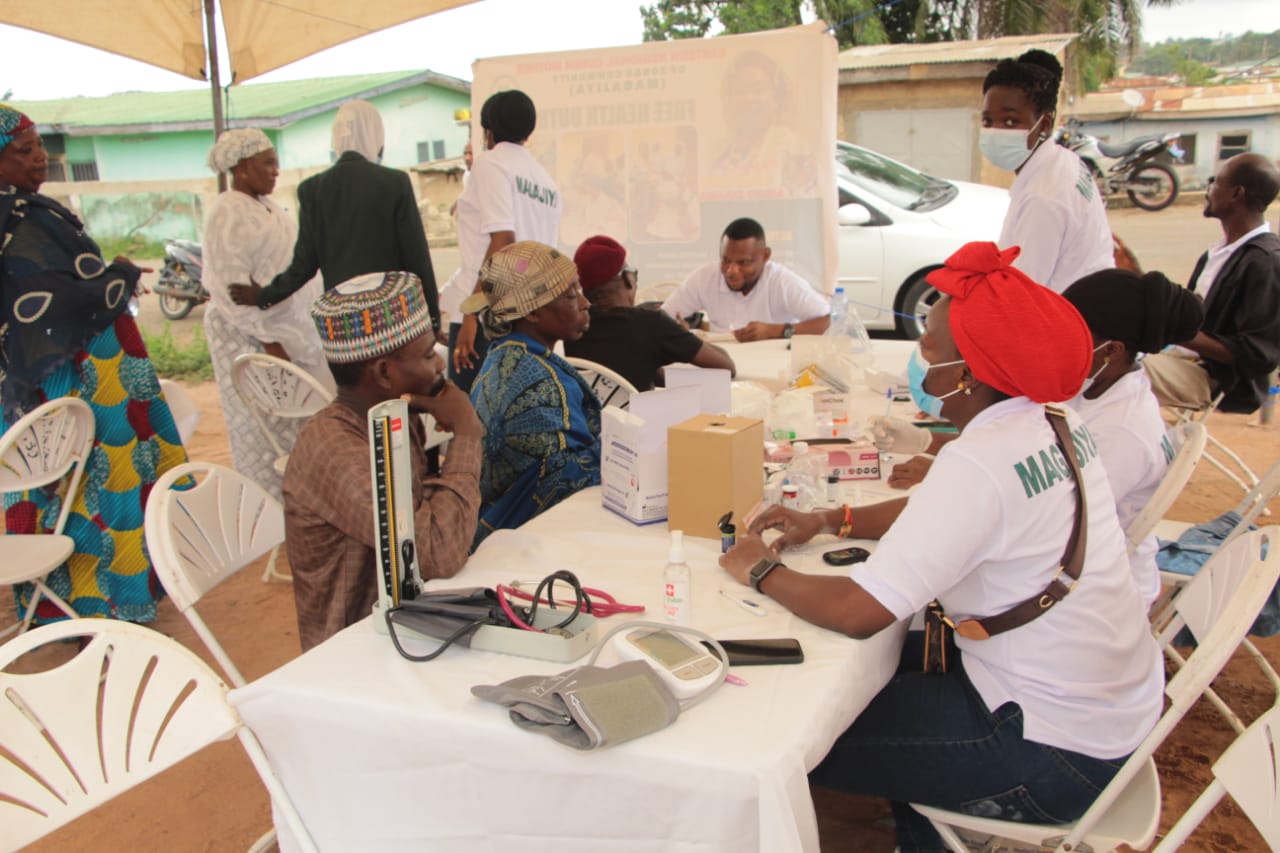
In Mali, healing has always existed at the intersection of tradition, community, and care. Today, that foundation is expanding as modern mental health services and addiction treatment programs work alongside cultural practices to support individuals facing substance use disorders and emotional health challenges. This blended approach offers a more complete path to recovery, one that respects identity, strengthens families, and provides clinically grounded care. For individuals and families seeking help, understanding how tradition and treatment come together in Mali is an important step toward lasting wellness.
Understanding Mental Health and Addiction in Mali
Mental health conditions and addiction are deeply interconnected. Many individuals struggling with substance use are also dealing with depression, anxiety, trauma, or chronic stress. In Mali, these challenges are often influenced by social pressures, economic hardship, and limited access to early intervention.
The Importance of Early Recognition
Early recognition of mental health and addiction issues can significantly improve recovery outcomes. Warning signs may include withdrawal from family, changes in behavior, difficulty maintaining responsibilities, or increased reliance on substances to cope with stress. When these signs are addressed early, treatment is more effective and less disruptive to daily life.
The Role of Tradition in Healing
Traditional practices remain an important part of life in Mali. They influence how people understand illness, healing, and recovery, especially in rural and community centered settings.
Cultural Healing Practices and Beliefs
Traditional healing may include herbal remedies, spiritual guidance, and rituals led by respected community figures. These practices often provide emotional reassurance, cultural identity, and a sense of belonging. For many individuals, this support is the first step toward acknowledging a need for help.
Community and Family Support Systems
In Mali, recovery is rarely an individual experience. Families and communities play a central role in supporting those facing addiction or mental health challenges. Encouragement, shared responsibility, and collective care help reduce stigma and promote openness around seeking treatment.
Modern Mental Health and Addiction Treatment
Alongside traditional support systems, Mali is strengthening its modern healthcare approach to mental health and addiction recovery. These services provide structured, evidence based care that addresses both physical and psychological needs.
Inpatient Treatment for Stabilization
Inpatient programs offer a safe and structured environment for individuals who require intensive care. This level of treatment often includes medically supervised detox, daily counseling, and therapeutic support. It allows individuals to focus fully on recovery without outside pressures or triggers.
Outpatient Programs for Continued Recovery
Outpatient care provides flexibility for individuals who are ready to continue recovery while returning to work, school, or family life. Regular therapy sessions, mental health check ins, and relapse prevention strategies help maintain progress and reinforce long term stability.
Integrating Holistic and Faith Based Approaches
A defining feature of mental health and addiction care in Mali is the integration of holistic and faith based approaches with clinical treatment. This combination supports healing across emotional, spiritual, and physical dimensions.
Spiritual Care and Personal Meaning
Faith and spirituality often play an important role in recovery. Prayer, reflection, and spiritual counseling can provide comfort and direction during difficult moments. These practices help individuals reconnect with purpose and build emotional resilience.
Individualized Treatment Plans
Every recovery journey is unique. Personalized care ensures that treatment is tailored to each individual’s background, needs, and goals. This approach improves engagement in treatment and helps individuals feel seen, respected, and understood.
Building a Bridge Between Tradition and Treatment
The most effective mental health and addiction care models in Mali do not separate tradition from treatment. Instead, they integrate both into a unified approach that respects culture while providing clinical expertise.
Strengthening Trust in Care Systems
When healthcare systems acknowledge cultural values, individuals are more likely to trust and engage in treatment. This trust is essential for long term recovery and improved mental health outcomes.
Supporting Long Term Recovery
Recovery does not end after treatment. Ongoing support from healthcare providers, families, and communities helps individuals maintain progress and avoid relapse. Education, counseling, and community reintegration programs are key to sustaining wellness over time.
Taking the Next Step Toward Healing
If you or someone you love is struggling with addiction or mental health challenges, support is available. In Mali, compassionate care brings together tradition, clinical treatment, and holistic support to create a pathway toward recovery.
Reaching out for help is a powerful first step. With the right combination of medical care, emotional support, and cultural understanding, healing is possible. From tradition to treatment, recovery in Mali is built on connection, compassion, and the belief that every person deserves the opportunity to heal and rebuild their life.
