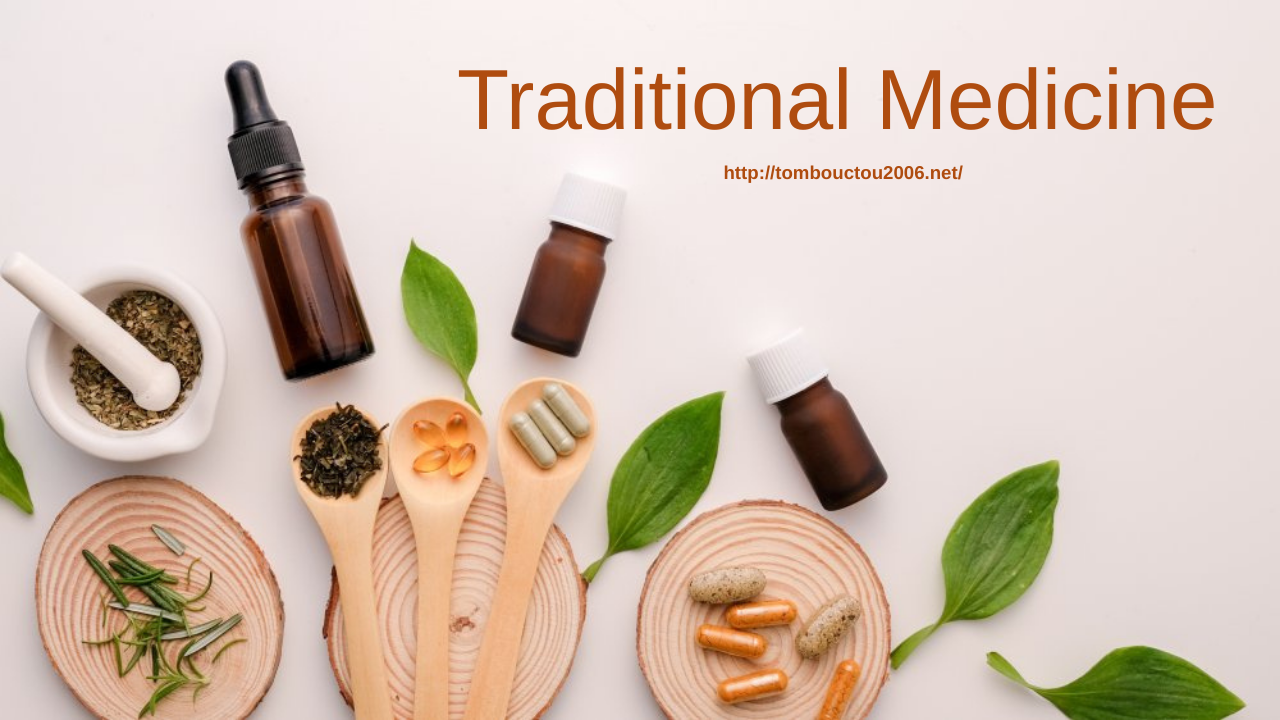
Malian Medicine Meets Modern Rehab: A New Path for Addiction Treatment

Addiction is a rising concern across Africa, and Mali is no exception. From increasing substance abuse among youth to the misuse of prescription medications and traditional stimulants, the nation faces a growing public health challenge. Yet, in this struggle, Mali stands at a unique crossroads—where ancient healing traditions are beginning to converge with modern rehabilitation techniques. This fusion is giving rise to a new and culturally resonant path for addiction treatment.

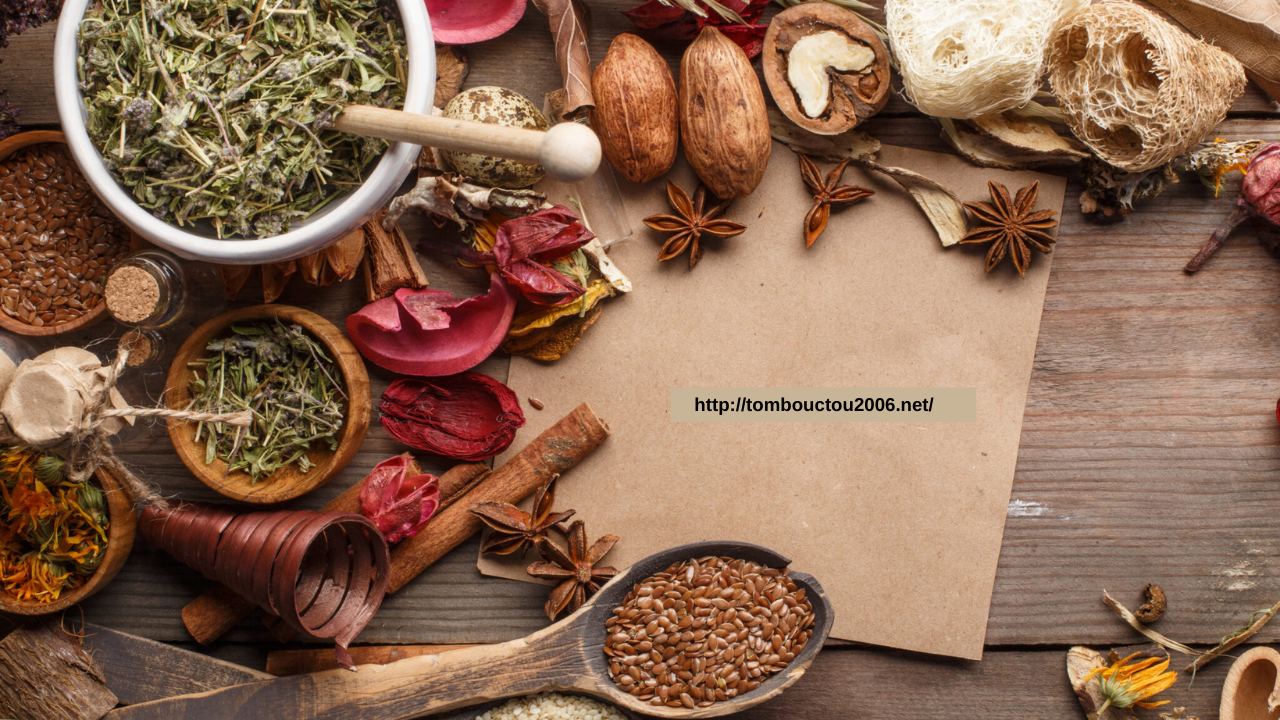
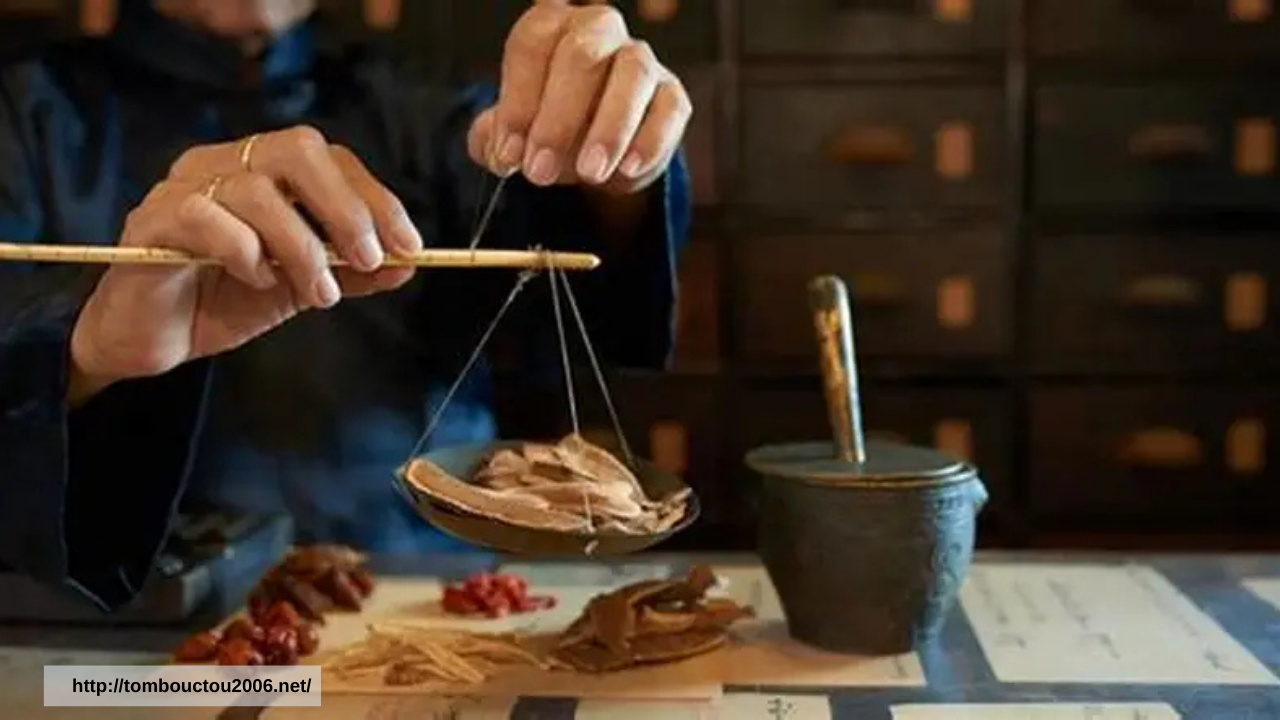
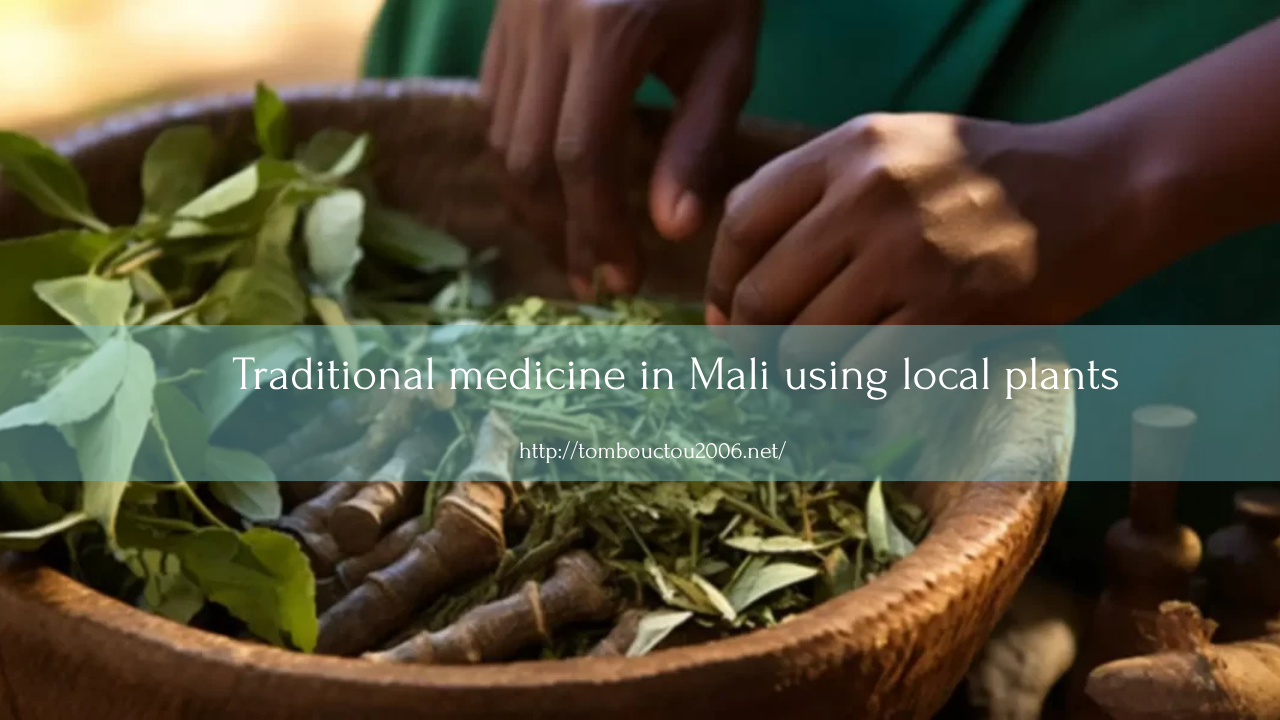
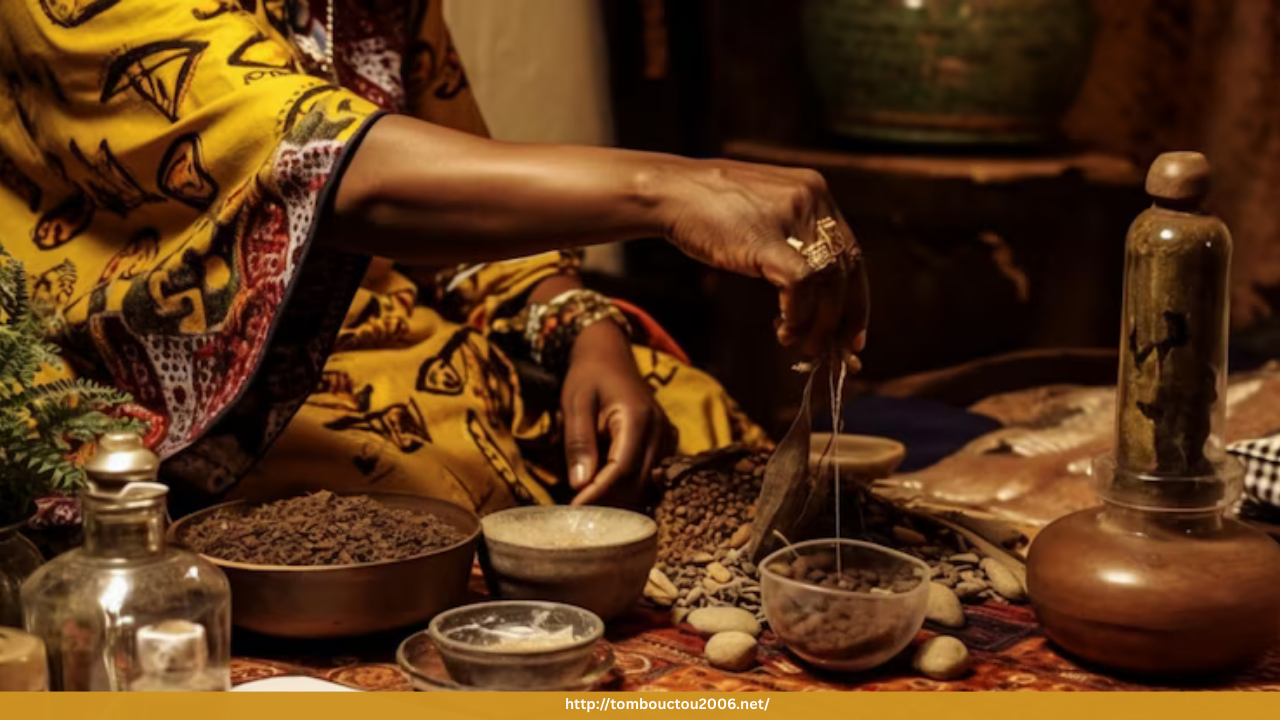
For generations, Mali has relied heavily on traditional medicine. In rural areas and even in parts of urban life, traditional healers are the first line of care for most illnesses. They draw from a rich pharmacopoeia of medicinal plants and spiritual practices, often treating addiction as a disruption in both the body and soul. Remedies might include natural detox teas, therapeutic isolation, or spiritual cleansing ceremonies. The healer’s role is both medicinal and moral, helping patients realign with community values and spiritual wellbeing.

While these methods are deeply ingrained and trusted, they often fall short in treating severe substance use disorders—particularly when it comes to chemical dependency, mental health complications, and relapse prevention. That’s where modern rehabilitation programs are beginning to play an increasingly important role.

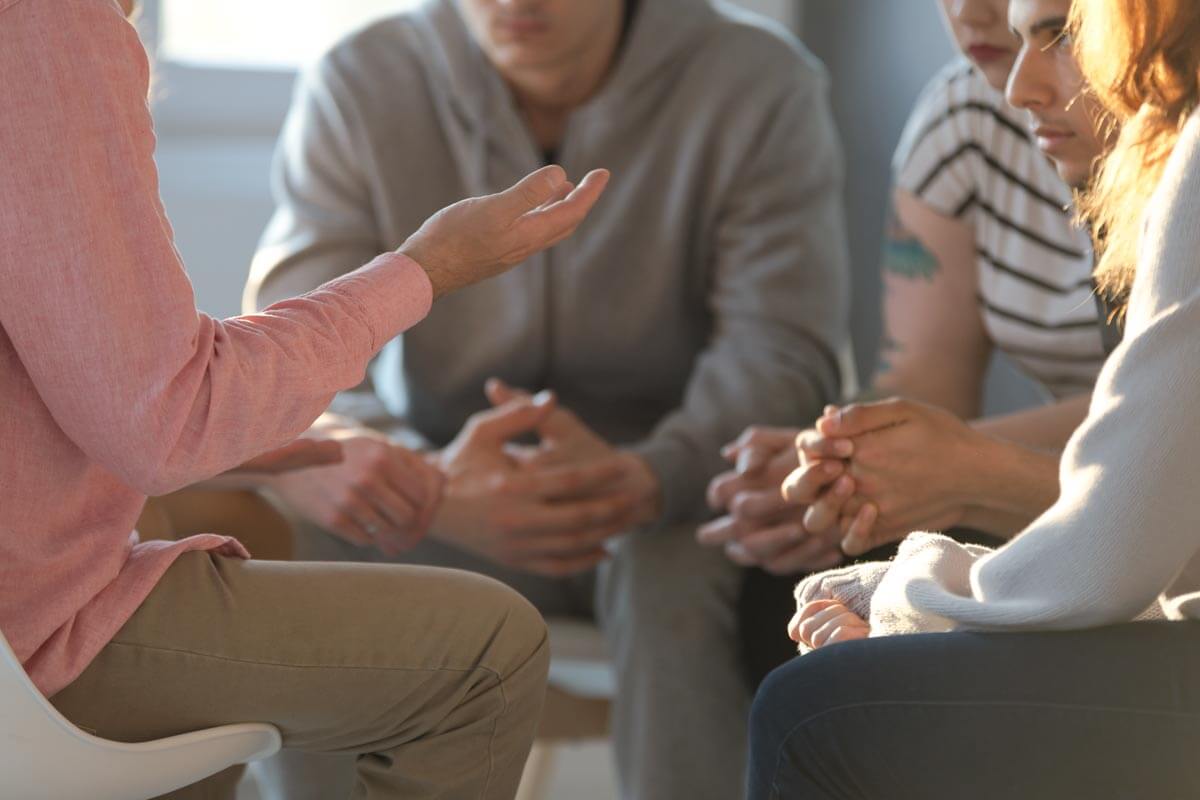
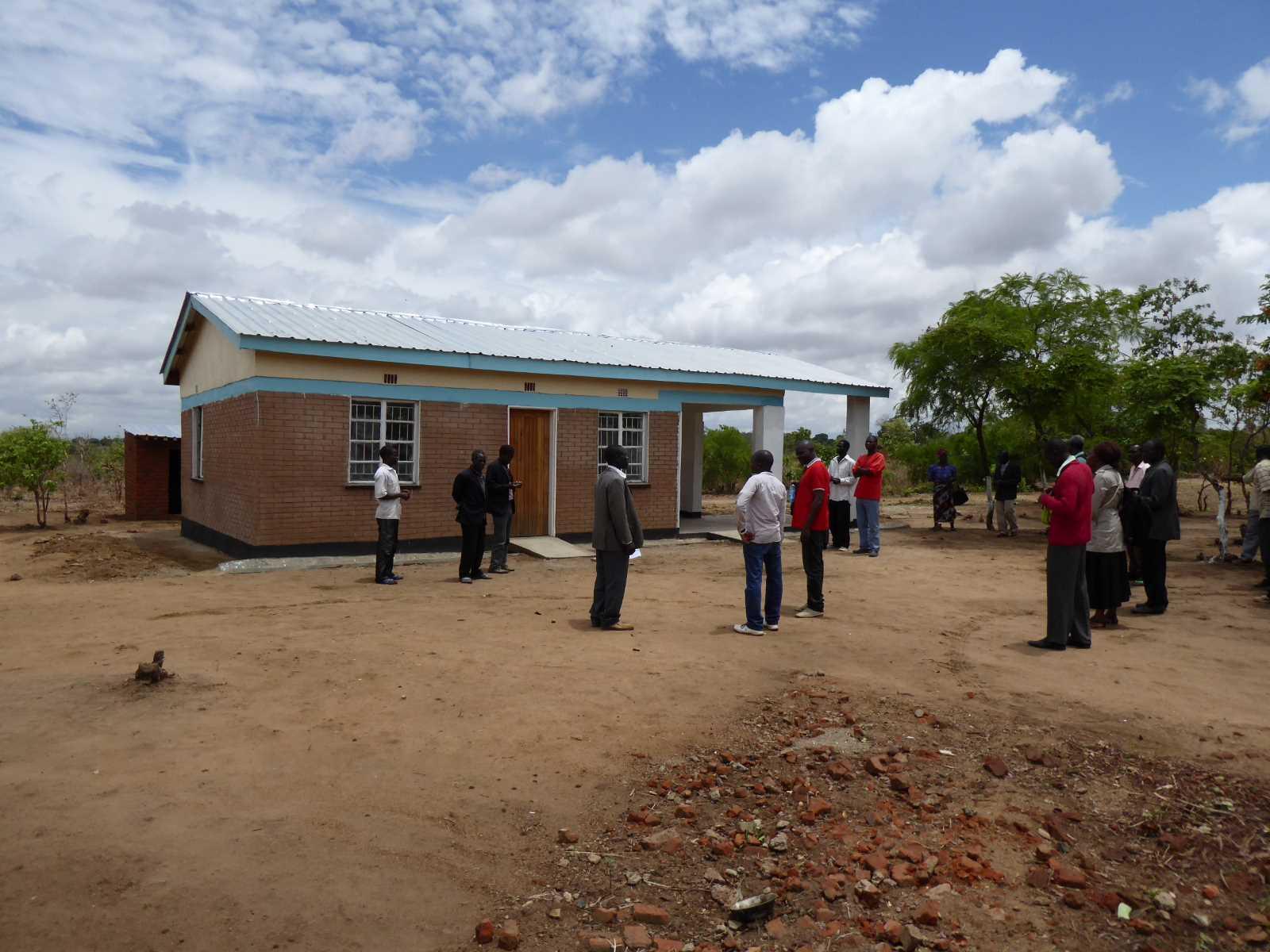
Over the last decade, Mali has seen a modest but important growth in addiction care infrastructure. With support from international NGOs, faith-based organizations, and local health ministries, a small network of rehabilitation centers has emerged. These centers offer professional counseling, group therapy, medication-assisted treatment, and social reintegration programs. However, limited funding, cultural stigma, and logistical barriers continue to restrict access and effectiveness.

The most promising innovation lies in blending traditional healing with modern rehab practices. Some pilot programs, such as those launched in Bamako and Sikasso, are actively training traditional healers to identify signs of addiction, perform culturally sensitive interventions, and refer patients to medical professionals when needed. In return, rehab centers are starting to incorporate spiritual support, local customs, and family-based healing models into their services—helping bridge the gap of trust that often exists between patients and formal healthcare providers.

This collaborative approach respects the social fabric of Malian communities, where elders, spiritual leaders, and family networks hold deep influence. By honoring these relationships and incorporating them into recovery plans, practitioners are improving patient engagement and long-term outcomes.

There is still much work to be done. National health policies must further support integrated models of care, increase funding for mental health services, and reduce stigma through public education. But Mali is on the cusp of something important: a culturally grounded, community-based approach to addiction that combines the best of traditional wisdom with modern science.

In a nation where identity, spirituality, and community are central to life, this emerging fusion offers more than treatment—it offers healing. And in doing so, Mali may become a model for addiction recovery in Africa and beyond.

Healing in the Sahel: Traditional and Modern Approaches to Addiction Recovery in Mali

In the heart of West Africa, Mali’s expansive Sahel region is known for its rich cultural heritage, musical rhythms, and deeply rooted traditions. But beyond the dunes and the drumbeats, Mali is facing a quieter crisis—addiction. Whether stemming from the global rise in substance use or the socio-political strains of conflict and poverty, addiction in Mali is becoming an increasingly urgent health issue. What makes Mali unique, however, is the intersection of traditional medicine and emerging modern healthcare strategies working in tandem to address addiction recovery.

For centuries, Malians have turned to traditional healers—marabouts, herbalists, and spiritual leaders—for both physical and spiritual healing. These practitioners often treat addiction as a spiritual imbalance or moral deviation, relying on ancestral knowledge, medicinal plants, and rituals. Remedies such as infusions from the neem tree, baobab bark, or kola nut are used to cleanse the body. Accompanying prayers, protective amulets, and fasting are employed to purify the spirit. While these methods are deeply respected and widely practiced, they vary in effectiveness, especially for those battling chemical dependency.

At the same time, Mali’s healthcare system, although under-resourced, is beginning to adopt more modern models of addiction treatment. In urban centers like Bamako, a growing number of clinics are offering psychiatric counseling, group therapy, and pharmacological support for substance use disorders. However, these services remain limited, and access is particularly scarce in rural areas where traditional healing remains the primary mode of care.

The true promise for healing in Mali lies in the integration of these two systems. NGOs and local health professionals are beginning to recognize the value of working with traditional healers rather than against them. Programs aimed at training healers to recognize signs of addiction and refer patients to clinics are fostering a bridge between cultural heritage and evidence-based care. Likewise, some clinics are incorporating elements of spiritual care and local languages into their therapeutic models to increase trust and engagement.

One such example is a pilot initiative launched in the Mopti region, where local griots and elders participate in support groups, using storytelling and music to encourage healing and social reintegration for recovering addicts. These culturally grounded approaches address not only the medical but also the emotional and communal aspects of addiction.

Despite the challenges—limited infrastructure, stigma surrounding mental health, and political instability—Mali’s evolving approach to addiction recovery is promising. By honoring the wisdom of traditional medicine while embracing the efficacy of modern healthcare, the country is crafting a uniquely Malian path to healing.

In the Sahel, where resilience is a way of life, the fusion of old and new may just be the key to overcoming addiction—one herbal brew, one therapy session, and one shared song at a time.

Tackling Malaria in Mali: Strategies, Successes, and Future Goals

Malaria remains one of the most pressing public health challenges in Mali, particularly affecting children under five and pregnant women. The disease, transmitted by the female Anopheles mosquito, is both preventable and treatable, yet it continues to be a leading cause of illness and death in the country. Despite these difficulties, Mali has made notable progress in the fight against malaria through targeted strategies, successful interventions, and continued collaboration with international partners.

Strategies to Combat Malaria

Mali’s approach to combating malaria is multifaceted, focusing on prevention, diagnosis, and treatment. One of the key strategies is the distribution of insecticide-treated bed nets (ITNs). These nets are provided free of charge to vulnerable populations, including children and pregnant women, to protect them from mosquito bites during sleeping hours. Campaigns promoting the correct use of ITNs have significantly increased their adoption across the country.

Another crucial strategy is the implementation of indoor residual spraying (IRS). This involves spraying the walls of homes with insecticides to kill mosquitoes that rest indoors. Though more costly and logistically demanding than bed nets, IRS has proven effective in high-transmission areas.

Rapid diagnostic tests (RDTs) have also been introduced at health centers and community levels to ensure timely and accurate diagnosis of malaria. Prompt treatment with artemisinin-based combination therapies (ACTs) is the standard of care, significantly reducing the severity of the disease and preventing complications.

Successes in Malaria Control

In recent years, Mali has achieved significant progress in reducing malaria-related deaths and infections. National surveys have shown increased ownership and usage of bed nets, and the availability of ACTs and RDTs has improved in both urban and rural health centers.

The Malaria Control Program, supported by international organizations such as the World Health Organization (WHO), UNICEF, and the Global Fund, has played a pivotal role in providing resources, training healthcare workers, and enhancing public awareness. Through these collaborative efforts, the number of malaria cases and deaths has steadily declined, particularly among children under five.

Community health workers (CHWs) have been instrumental in these successes. They provide essential services such as distributing bed nets, educating families on malaria prevention, and diagnosing and treating malaria at the community level. Their presence ensures that remote populations receive timely care, reducing the burden on larger healthcare facilities.

Future Goals and Challenges

Despite the progress, challenges remain in the fight against malaria. Insecticide resistance among mosquito populations threatens the effectiveness of ITNs and IRS. Additionally, logistical issues and funding gaps can hinder the continuous supply of diagnostic tools and medications.

Looking forward, Mali aims to strengthen its surveillance systems to better track malaria trends and respond to outbreaks swiftly. Continued investment in research is also needed to develop new tools, including vaccines and next-generation insecticides.

Moreover, increasing community engagement and education is crucial to maintaining the progress made. By fostering local ownership of malaria prevention initiatives and ensuring that health services are accessible to all, Mali can move closer to the long-term goal of malaria elimination.

In conclusion, while malaria remains a major health concern in Mali, the country has made substantial progress through effective strategies and global partnerships. Sustained efforts and innovation will be key to achieving a malaria-free future.


Mali’s Healthcare System: Challenges and Innovations in Public Health

Mali, a landlocked West African nation, faces significant challenges in delivering adequate healthcare services to its population. With a largely rural population and a high burden of disease, the country struggles with limited medical infrastructure, insufficient healthcare professionals, and financial constraints. Despite these challenges, Mali has made notable progress in public health through innovative solutions and collaborative efforts with international partners.

Challenges in Mali’s Healthcare System

Mali’s healthcare system is hindered by several critical issues, including limited access to medical facilities, a shortage of healthcare professionals, and high rates of infectious diseases. The country’s vast geography and underdeveloped infrastructure make it difficult for rural populations to access medical care. Many communities rely on traditional healers due to the absence of nearby clinics or hospitals.

Another significant challenge is the shortage of trained healthcare professionals. The ratio of doctors to patients remains low, forcing many individuals to seek medical assistance from underqualified practitioners. Additionally, brain drain is a persistent issue, as many trained professionals migrate to other countries in search of better opportunities.

Mali also struggles with high rates of infectious diseases such as malaria, tuberculosis, and HIV/AIDS. Malaria remains one of the leading causes of death, particularly among children. Poor sanitation, lack of clean drinking water, and inadequate healthcare facilities contribute to the prevalence of these diseases.

Innovations and Progress in Public Health

Despite these challenges, Mali has implemented several innovative strategies to improve public health. One of the most successful initiatives is the expansion of community health programs. Community Health Workers (CHWs) play a crucial role in providing essential healthcare services, especially in remote areas. These workers are trained to offer basic medical care, administer vaccines, and educate communities about hygiene and disease prevention.

Vaccination programs have also been instrumental in reducing child mortality rates. Mali has partnered with global health organizations to increase immunization coverage, particularly for diseases like polio, measles, and meningitis. The success of these programs has contributed to a decline in child mortality over the past two decades.

Telemedicine has emerged as another promising innovation in Mali’s healthcare system. With the increasing use of mobile technology, healthcare providers can now consult with patients in remote areas, reducing the need for long-distance travel. This approach has been particularly beneficial for maternal and child healthcare, allowing pregnant women to receive medical advice and support without leaving their communities.

The Future of Mali’s Healthcare System

While Mali has made strides in improving healthcare, continued investment and international cooperation are crucial for sustained progress. Strengthening healthcare infrastructure, training more medical professionals, and increasing funding for public health initiatives will be key to overcoming the existing challenges.

Moreover, integrating traditional medicine with modern healthcare practices could enhance accessibility and cultural acceptance of medical treatments. By embracing a holistic approach and leveraging technological advancements, Mali can build a more resilient healthcare system that meets the needs of its growing population.

In conclusion, Mali’s healthcare system faces significant hurdles, but through community engagement, technological innovation, and strategic partnerships, the country is making progress in public health. Continued efforts to address these challenges will be essential in ensuring a healthier future for all Malians.


The Role of Indigenous Herbal Medicine in Malian Healthcare

Mali, a country in West Africa with a rich cultural heritage, has long relied on indigenous herbal medicine as a primary source of healthcare. Traditional medicine remains deeply ingrained in Malian society, especially in rural areas where access to modern medical facilities is limited. Indigenous herbal remedies, derived from the country’s vast biodiversity, have been used for generations to treat various ailments and maintain overall well-being. Despite the growing presence of modern medicine, herbal treatments continue to play a crucial role in Malian healthcare.

The Importance of Indigenous Herbal Medicine

Indigenous herbal medicine is an essential component of Mali’s healthcare system, particularly for those who cannot afford or access conventional medical services. Traditional healers, known as “marabouts” or “féticheurs,” use their extensive knowledge of local plants to create treatments for common illnesses such as malaria, digestive issues, respiratory infections, and skin conditions.

Malian flora offers a rich array of medicinal plants, including neem, baobab, hibiscus, and moringa, all of which have demonstrated significant healing properties. For instance, neem is widely used for its antibacterial and antifungal properties, while baobab is known for its high vitamin C content, boosting immunity and overall health. Many of these remedies have been passed down through generations, with knowledge being preserved within families and communities.

The Challenges of Indigenous Herbal Medicine

Despite its significance, indigenous herbal medicine faces several challenges in Mali. One of the primary concerns is the lack of scientific validation for many herbal treatments. While some plants have been studied and confirmed to have medicinal benefits, others remain untested, raising questions about their safety and effectiveness. This lack of formal research can lead to skepticism among healthcare professionals and hinder the integration of herbal medicine into mainstream healthcare.

Additionally, the absence of regulations and quality control measures poses risks to patients. The informal nature of traditional healing means that dosages and preparation methods can vary significantly, potentially leading to adverse effects or ineffective treatments. Ensuring proper standardization and safety guidelines is crucial for the wider acceptance of herbal medicine.

Integrating Herbal Medicine with Modern Healthcare

Efforts are being made to integrate indigenous herbal medicine with modern healthcare in Mali. The government, alongside international health organizations, has taken steps to document and research traditional remedies. This initiative aims to validate herbal treatments scientifically and establish safety guidelines to protect patients.

Furthermore, collaboration between traditional healers and modern medical practitioners is being encouraged. Some healthcare facilities now work alongside herbalists to offer complementary treatment options, particularly for chronic illnesses such as diabetes and hypertension. By combining the strengths of both medical systems, Mali can create a more inclusive and effective healthcare approach.

Conclusion

Indigenous herbal medicine continues to be a vital part of Malian healthcare, providing accessible and culturally significant treatment options for many people. While challenges remain, efforts to bridge the gap between traditional and modern medicine can lead to a more comprehensive healthcare system. By preserving traditional knowledge while ensuring scientific validation and safety, Mali can harness the full potential of its rich herbal heritage to improve public health outcomes.


Traditional Healing in Mali: Bridging Ancient Practices with Modern Medicine

Mali, a West African nation with a rich cultural heritage, has long relied on traditional healing practices to treat ailments and maintain well-being. Rooted in centuries-old knowledge passed down through generations, traditional medicine remains an integral part of Malian society. However, with the advancement of modern medicine, efforts are being made to integrate these two medical systems to improve healthcare accessibility and effectiveness for the population.

The Role of Traditional Healers in Malian Society

Traditional healers, known as “marabouts” or “féticheurs,” play a crucial role in Malian healthcare, especially in rural areas where access to modern medical facilities is limited. These practitioners use a combination of herbal remedies, spiritual healing, and physical therapies to treat various illnesses. Their knowledge is based on local plants, minerals, and spiritual beliefs, making their practice deeply rooted in the cultural and religious fabric of Malian communities.

Herbal medicine is one of the primary tools used by traditional healers. Mali’s diverse flora provides a vast array of medicinal plants, such as neem, baobab, and hibiscus, which are used to treat ailments ranging from fevers to digestive issues. Additionally, spiritual healing, which includes prayers, rituals, and amulets, is often employed to address conditions believed to have supernatural origins.

Challenges Facing Traditional Medicine

Despite its deep-rooted presence, traditional medicine in Mali faces several challenges. One of the primary concerns is the lack of scientific validation for many herbal remedies. While some plants have been studied and found to have medicinal properties, many others remain untested, raising concerns about safety and efficacy. Additionally, the absence of formal regulation means that anyone can claim to be a healer, leading to potential misuse and exploitation of vulnerable patients.

Another challenge is the growing preference for modern medical treatments, particularly in urban areas where hospitals and clinics are more accessible. Younger generations are increasingly turning to pharmaceutical drugs, viewing them as more reliable than traditional remedies. This shift poses a risk to the preservation of indigenous knowledge, as fewer individuals seek to learn and carry on traditional healing practices.

Bridging the Gap: Integrating Traditional and Modern Medicine

Recognizing the importance of both medical systems, efforts are being made to integrate traditional healing with modern healthcare. The Malian government and international health organizations have initiated programs to document and research traditional medicine, aiming to validate its effectiveness and establish guidelines for safe usage.

Collaboration between traditional healers and modern doctors is also being encouraged. Some hospitals and clinics now work alongside traditional practitioners to provide holistic treatment options. For instance, patients with chronic illnesses, such as diabetes or hypertension, may receive herbal treatments alongside conventional medical therapies.

Furthermore, training programs and workshops are being conducted to educate traditional healers on hygiene, proper diagnosis, and referral systems. This approach helps bridge the gap between traditional and modern medicine, ensuring that patients receive safe and effective treatments.

Conclusion

Traditional healing remains a vital component of healthcare in Mali, offering accessible and culturally significant treatment options. By integrating ancient practices with modern medicine, Mali can create a more comprehensive healthcare system that respects indigenous knowledge while ensuring scientific validation and safety. Strengthening this collaboration will not only preserve traditional healing practices but also enhance the overall well-being of the Malian people.

The Role of Community Health Workers in Mali: Empowering Local Health Initiatives

In Mali, a country with vast rural landscapes and limited access to healthcare infrastructure, community health workers (CHWs) play a vital role in addressing the healthcare needs of local populations. These grassroots healthcare providers are at the forefront of health initiatives, delivering essential services and health education in areas where trained medical professionals are scarce. By empowering local communities to take charge of their health, CHWs are helping to bridge gaps in the healthcare system and improve the well-being of vulnerable populations.

The Importance of Community Health Workers

Mali faces significant healthcare challenges, particularly in rural and remote areas. The shortage of healthcare professionals, combined with geographical barriers and poor transportation infrastructure, makes it difficult for many people to access medical care. In response to these challenges, CHWs have emerged as a key solution, providing accessible and affordable healthcare services directly to communities.

Community health workers in Mali are often members of the local population who have received basic training in healthcare practices. Their roles are diverse, ranging from providing health education and preventive care to administering basic medical treatments. CHWs are often the first point of contact for individuals seeking medical assistance, especially in areas where health facilities are located far away. They are trained to recognize common diseases, offer advice on hygiene and sanitation, and distribute essential medications such as antimalarial drugs and vitamins.

Promoting Maternal and Child Health

One of the primary areas where CHWs make a significant impact is in maternal and child health. In Mali, maternal and child mortality rates remain high, with many women and children dying from preventable causes such as complications during childbirth, malnutrition, and infectious diseases. CHWs play a crucial role in improving these outcomes by providing prenatal care, promoting safe childbirth practices, and offering postnatal support to mothers and infants.

CHWs are trained to identify warning signs during pregnancy and refer women to higher-level healthcare facilities when necessary. They also educate women about family planning, the importance of nutrition during pregnancy, and the need for regular health check-ups. Additionally, CHWs offer immunizations to children, ensuring that they receive essential vaccines to protect them from deadly diseases like measles, polio, and tuberculosis. By working closely with pregnant women and young children, CHWs help to reduce the incidence of preventable diseases and improve overall health outcomes.

Health Education and Disease Prevention

Health education and disease prevention are fundamental components of the work done by CHWs in Mali. Many of the health issues faced by communities, such as malaria, diarrhea, and respiratory infections, can be prevented through simple health practices. CHWs provide essential education on topics like handwashing, safe water usage, proper sanitation, and the importance of using insecticide-treated bed nets to prevent malaria.

CHWs also engage in community outreach campaigns to raise awareness about the dangers of malnutrition, vaccination, and the importance of regular health check-ups. By working with local leaders and organizations, CHWs help to dispel myths and misconceptions about health practices, empowering individuals to make informed decisions about their health.

Overcoming Challenges and Ensuring Sustainability

Despite the critical role CHWs play in Mali’s healthcare system, their work is not without challenges. One of the main issues is the lack of financial support and resources. Many CHWs are volunteers or receive only modest compensation for their services, which can make it difficult to retain experienced workers. Additionally, there is a need for ongoing training to ensure that CHWs are equipped with the latest knowledge and skills to effectively address emerging health issues.

The sustainability of CHW programs depends on continued support from both the government and international organizations. In recent years, there have been efforts to improve the coordination and oversight of CHW programs, ensuring that they are better integrated into the formal healthcare system. Providing CHWs with regular training, proper equipment, and fair compensation is essential to maintaining a motivated and effective workforce.

Conclusion

Community health workers are essential to the healthcare system in Mali, particularly in rural areas where access to healthcare is limited. By providing health education, disease prevention, and essential medical services, CHWs empower local communities to take control of their health and improve their quality of life. While challenges remain, the continued support and integration of CHW programs into the broader healthcare system will be crucial for ensuring that Mali’s healthcare system is both accessible and sustainable. Through their work, CHWs are helping to create a healthier, more resilient Mali, one community at a time.

Traditional Healing Practices in Mali: Bridging Ancient Wisdom and Modern Medicine

Mali, a country with a rich cultural heritage, is home to a diverse population that has relied on traditional healing practices for centuries. These practices, passed down through generations, are deeply intertwined with the cultural and spiritual fabric of Malian society. While modern medicine has made significant strides in addressing healthcare challenges, traditional healing remains a vital part of the country’s healthcare system. The integration of ancient wisdom with contemporary medical approaches is creating a unique healthcare paradigm in Mali.

The Role of Traditional Healers

In Mali, traditional healers, also known as “fadenya” or “ngangas,” are highly respected members of their communities. They are believed to possess spiritual and medicinal knowledge that enables them to diagnose and treat a wide range of ailments. Traditional healing in Mali encompasses various practices, including herbal medicine, spiritual rituals, and divination, all of which are aimed at restoring balance to the body and mind.

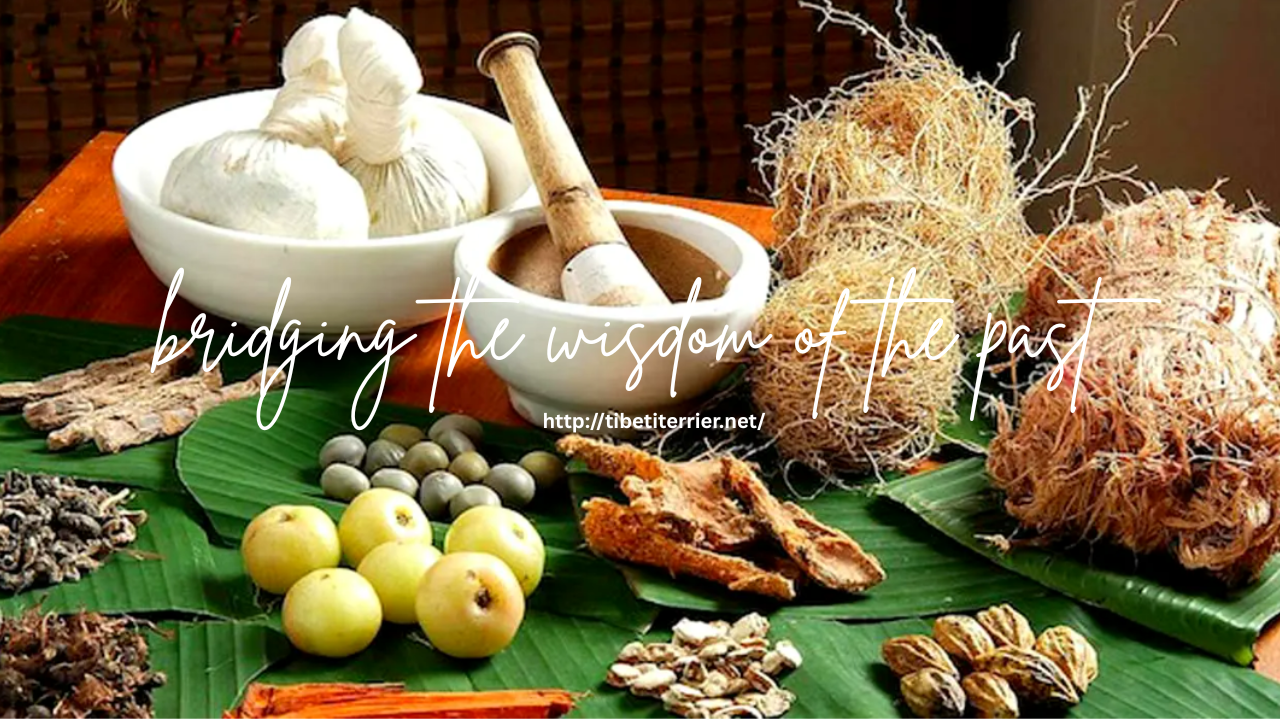
Herbal medicine is one of the most widely practiced forms of traditional healing in Mali. Healers often use plants and herbs indigenous to the region to treat illnesses such as malaria, gastrointestinal disorders, and skin conditions. These remedies are prepared in the form of teas, poultices, and powders, and are passed down through generations of families. Many of the plants used in traditional medicine have been scientifically shown to possess therapeutic properties, though research into their effectiveness is still in its early stages.

Spiritual healing is another important aspect of traditional practices in Mali. Many people believe that illness is caused by spiritual imbalances, such as ancestral displeasure or malevolent forces. Spiritual healers use rituals, prayers, and sacrifices to restore harmony and drive away harmful spirits. These healers are often consulted for ailments that are believed to have a supernatural cause, such as mental health conditions, infertility, and chronic pain.

The Intersection of Traditional and Modern Medicine

In recent years, there has been a growing recognition of the need to integrate traditional healing practices with modern medicine in Mali. The government, in collaboration with international organizations, has been working to bridge the gap between these two systems of healthcare. This integration aims to offer a more holistic approach to healthcare that acknowledges the cultural significance of traditional practices while also ensuring the benefits of modern medical advancements.

One of the most promising initiatives in this area is the training of traditional healers in modern healthcare principles. Some organizations have developed programs to educate traditional healers about basic hygiene, disease prevention, and the importance of seeking medical treatment for conditions that are beyond the scope of their practice. This collaboration ensures that traditional healers can refer patients to healthcare professionals when necessary and that patients are not discouraged from seeking medical treatment for serious illnesses.

Moreover, the Malian Ministry of Health has worked to formalize the relationship between traditional and modern medicine. In 2014, the government created a policy framework that encourages dialogue and cooperation between traditional healers and medical professionals. The goal is to create a system in which both practices can complement each other, enhancing the quality of healthcare delivery.

The Benefits and Challenges of Integration

The integration of traditional healing practices with modern medicine offers several potential benefits. For one, it promotes cultural sensitivity in healthcare delivery, which is crucial in a country where traditional beliefs and practices are deeply ingrained in the population. It also helps address the issue of access to healthcare, particularly in rural areas where modern medical facilities may be scarce. Traditional healers are often more accessible to local communities and can provide timely and affordable treatment for minor ailments.

However, the integration process is not without its challenges. There is a risk of compromising patient safety if traditional treatments are used in conjunction with modern medicine without proper oversight. Additionally, some modern medical professionals may view traditional healing with skepticism, leading to a lack of collaboration and mutual respect between the two systems.

Conclusion

Traditional healing practices in Mali offer a rich and valuable complement to modern medicine, addressing the cultural and healthcare needs of the population. As the country continues to grapple with healthcare challenges, the integration of ancient wisdom with modern medical practices holds great promise for improving health outcomes. By fostering collaboration and mutual respect between traditional healers and medical professionals, Mali can create a more inclusive and effective healthcare system that respects its cultural heritage while embracing the benefits of modern science.

Healthcare Challenges and Innovations: A Comprehensive Overview of Mali’s Medical Landscape

Mali, a landlocked country in West Africa, faces significant healthcare challenges exacerbated by poverty, conflict, and inadequate infrastructure. Despite these obstacles, innovative approaches are emerging to address these issues, showcasing the resilience and creativity of Mali’s healthcare system.

Major Healthcare Challenges

One of the primary challenges in Mali is the high prevalence of communicable diseases. Malaria, tuberculosis, and HIV/AIDS remain endemic, heavily burdening the healthcare system. According to the World Health Organization (WHO), malaria is a leading cause of morbidity and mortality, especially among children under five and pregnant women. The limited access to preventive measures, such as insecticide-treated nets and antiretroviral therapy, further compounds these health risks.

In addition to communicable diseases, Mali faces a rising incidence of non-communicable diseases (NCDs), including diabetes and hypertension. The WHO estimates that NCDs could become the leading cause of death in the coming years, stressing the urgent need for healthcare infrastructure to adapt to this shifting health landscape.

Another significant hurdle is the shortage of healthcare professionals. With only a few doctors per 100,000 people, the country grapples with a severe lack of trained personnel. Rural areas are particularly affected, as many healthcare workers prefer to work in urban centers, leaving rural populations underserved. This disparity in healthcare access contributes to poor health outcomes and higher mortality rates, particularly among vulnerable populations.

Innovations in Healthcare Delivery

Despite these challenges, Mali’s healthcare landscape is witnessing innovative solutions aimed at improving health outcomes. One noteworthy initiative is the implementation of community health programs that train local volunteers as community health workers (CHWs). These individuals play a crucial role in promoting health education, providing basic healthcare services, and facilitating access to essential medicines. By leveraging local resources and knowledge, these programs have significantly improved maternal and child health outcomes.

Telemedicine is another emerging innovation in Mali’s healthcare system. Given the vast geographical barriers and limited healthcare facilities, telemedicine provides a valuable solution for connecting patients in remote areas with healthcare professionals. Mobile health applications allow for consultations, health education, and follow-up care, thus reducing the burden on physical healthcare facilities. This approach is particularly beneficial in rural areas, where access to specialized care is often limited.

Partnerships between the government and non-governmental organizations (NGOs) have also fostered innovation in healthcare delivery. Organizations like Partners in Health and the Malian Ministry of Health have collaborated to strengthen healthcare infrastructure, improve disease surveillance, and enhance the availability of essential medicines. These partnerships focus on community-driven approaches, ensuring that interventions are culturally relevant and sustainable.

The Path Forward

While Mali’s healthcare system faces formidable challenges, the ongoing innovations and commitment to improving health outcomes offer hope for a healthier future. The integration of traditional and modern medical practices, the empowerment of local communities, and the embrace of technology represent a path forward for addressing the healthcare needs of the population.

Investing in education and training for healthcare professionals, enhancing the supply chain for medical supplies, and expanding access to preventive care are essential steps to strengthen the healthcare system. Moreover, continued support for community health initiatives and the adoption of telemedicine can bridge the gap in healthcare access and improve overall health outcomes.

In conclusion, Mali’s healthcare landscape is characterized by significant challenges and promising innovations. By addressing these obstacles through community involvement and leveraging technology, Mali can move toward a more equitable and effective healthcare system, ultimately improving the health and well-being of its citizens.

Traditional Practices and Modern Challenges

Mali, a landlocked country in West Africa, is renowned for its rich cultural heritage and deep-rooted traditions. The way of life in Mali is a tapestry woven with ancient customs and practices that have been passed down through generations. However, as modernity encroaches, the country faces unique challenges that threaten to reshape its traditional lifestyle. Understanding this dynamic interplay between tradition and modernity is crucial for appreciating the complexities of life in Mali.

Traditional Practices

Malian culture is deeply intertwined with its traditions, which manifest in various aspects of daily life. The country’s diverse ethnic groups, including the Bambara, Fulani, Tuareg, and Songhai, each contribute their unique cultural practices, yet they share common threads in their ways of life. Agriculture is the backbone of Malian society, with many families relying on subsistence farming. Traditional crops like millet, sorghum, and rice are staples, and farming techniques have been honed over centuries. Rituals and ceremonies tied to the agricultural calendar are central to community life, marking planting seasons and harvests with elaborate festivities.

In Mali, traditional medicine plays a significant role in healthcare. Herbal remedies and spiritual healing are commonly practiced, with local healers and traditional doctors (known as “n’gamas”) holding esteemed positions in communities. These practitioners use a deep understanding of local flora and spiritual beliefs to address health issues, from common ailments to more complex conditions. Traditional practices are not only about health but also about preserving a way of life and maintaining a connection to ancestors.

Social structures in Mali are traditionally organized around extended family networks and community bonds. The importance of kinship and communal support is evident in daily interactions and decision-making processes. Elders play a crucial role in guiding and resolving disputes, and ceremonies such as marriages and naming ceremonies are celebrated with significant cultural rituals.

Modern Challenges

Despite the resilience of traditional practices, Mali faces considerable modern challenges that impact its way of life. One of the most pressing issues is the struggle to balance tradition with modernization. Rapid urbanization and globalization introduce new lifestyles and technologies that can conflict with traditional values. The influx of Western-style education and employment opportunities often leads to a generational divide, where younger Malians may seek careers in urban areas, leaving behind rural traditions.

Healthcare in Mali is another area where traditional practices and modern challenges intersect. While traditional medicine remains widely respected, the healthcare system faces numerous hurdles. Limited access to modern medical facilities, insufficient healthcare infrastructure, and a shortage of medical professionals exacerbate health disparities. Efforts to integrate traditional and modern medicine have been made, but challenges persist in achieving equitable healthcare for all.

Additionally, Mali’s economic and political instability has significant repercussions on daily life. Conflicts and political unrest can disrupt agricultural practices, displace communities, and strain resources. These issues complicate efforts to maintain traditional lifestyles and address modern needs.

Navigating the Future

As Mali navigates the complexities of blending traditional practices with modern demands, it faces the challenge of preserving its cultural heritage while embracing progress. Initiatives aimed at improving healthcare, education, and economic opportunities are essential for addressing the needs of the population while respecting traditional values.

The future of Mali’s way of life will likely be shaped by how well it can integrate the wisdom of its traditions with the benefits of modern advancements. By fostering dialogue between traditional and contemporary approaches, Mali can strive for a balanced development that honors its rich cultural heritage while addressing the demands of a changing world.