Barriers to Effective Addiction Treatment in Mali’s Healthcare System

Addiction is a growing concern in Mali, a nation grappling with various socio-economic and healthcare challenges. Despite significant strides in improving healthcare infrastructure, the treatment of addiction remains fraught with barriers that hinder effective intervention. Understanding these obstacles is crucial for developing more effective strategies to address substance abuse issues within the country.

1. Limited Healthcare Infrastructure

One of the primary barriers to effective addiction treatment in Mali is the limited healthcare infrastructure. The country’s healthcare system is under-resourced and often struggles with inadequate facilities, medical equipment, and trained personnel. Many regions, especially rural areas, lack specialized addiction treatment centers. This scarcity of resources means that individuals seeking help for addiction may not have access to appropriate care or support, forcing them to rely on general medical services that are ill-equipped to handle substance abuse issues.

2. Stigma and Social Attitudes

Social stigma surrounding addiction plays a significant role in impeding effective treatment. In Mali, as in many other parts of the world, addiction is often viewed as a moral failing rather than a medical condition. This perception can discourage individuals from seeking help due to fear of judgment or social exclusion. Additionally, families may be reluctant to acknowledge or address addiction issues, further isolating affected individuals and preventing them from accessing necessary treatment.

3. Lack of Trained Professionals

The shortage of trained healthcare professionals specializing in addiction treatment is another critical barrier. In Mali, there is a significant gap in the availability of healthcare workers with expertise in substance abuse and mental health. Training programs for addiction specialists are limited, and existing healthcare providers often lack the necessary skills and knowledge to deliver effective treatment. This shortage means that individuals with addiction problems may not receive the evidence-based care they need to recover.

4. Economic Constraints

Economic factors also play a crucial role in the effectiveness of addiction treatment. Many Malian families face financial difficulties, which can limit their ability to afford treatment services. Even when specialized services are available, the costs associated with addiction treatment, including medication, counseling, and rehabilitation programs, may be prohibitive for many individuals. Economic constraints also impact the government’s ability to fund comprehensive addiction treatment programs and public health campaigns.

5. Insufficient Public Health Policies

Finally, the absence of robust public health policies addressing addiction is a significant barrier. Mali’s healthcare policies often do not adequately address the complexities of addiction, focusing instead on broader health issues. This lack of targeted policies means there is insufficient funding and support for addiction treatment programs, public awareness campaigns, and preventive measures. Without a clear and dedicated policy framework, efforts to combat addiction are often fragmented and ineffective.

Conclusion

Overcoming these barriers requires a multifaceted approach involving government action, community engagement, and international support. Strengthening healthcare infrastructure, reducing stigma, investing in professional training, addressing economic constraints, and developing targeted public health policies are essential steps toward improving addiction treatment in Mali. By tackling these challenges, Mali can make significant strides in providing effective care for individuals struggling with addiction, ultimately enhancing the overall health and well-being of its population.

Tackling Addiction in Mali

Addiction is a global issue that affects individuals and communities in every corner of the world, and Mali is no exception. In this West African nation, the challenges posed by substance abuse are significant and complex. However, the resilience of the Malian people and the efforts of various stakeholders to address addiction provide a framework for hope and recovery.

The Scope of the Problem

Substance abuse in Mali includes the misuse of alcohol, cannabis, prescription drugs, and increasingly, synthetic drugs. The country’s young population is particularly vulnerable, with many adolescents and young adults falling prey to the allure of these substances. Factors contributing to this rise in addiction include socio-economic instability, lack of education, unemployment, and the stress of living in conflict-affected areas.

Socio-Economic and Health Impacts

The repercussions of addiction in Mali are profound. Economically, it drains resources that could otherwise be used for development and social services. Families often bear the brunt of the financial and emotional toll, as addicted individuals struggle to maintain employment or contribute to household income. Health-wise, addiction leads to a myriad of issues including mental health disorders, the spread of infectious diseases like HIV/AIDS, and an overall decline in life expectancy.

Community and Government Response

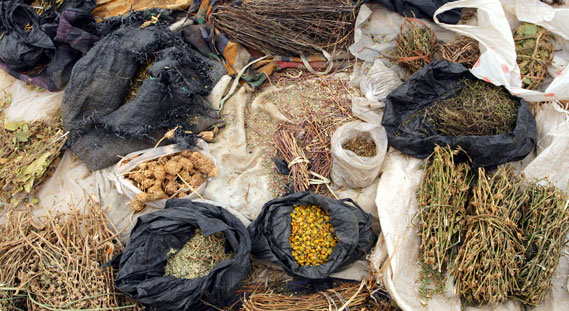
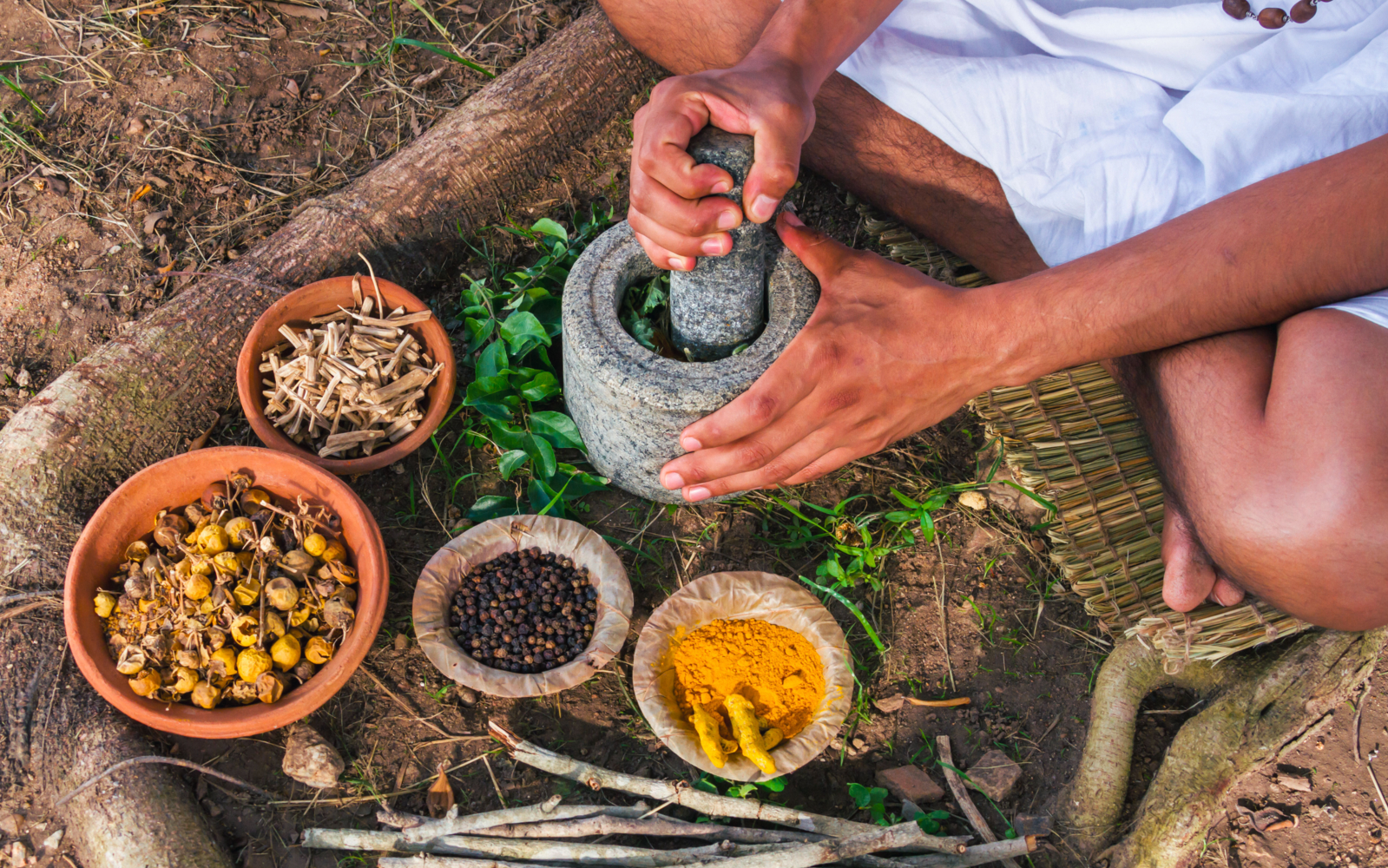
In response to the growing problem, community initiatives and government programs have been launched to tackle addiction from multiple angles. Traditional healers play a significant role in rural areas, where access to modern medical facilities is limited. They use local herbs and spiritual practices to treat those afflicted by addiction, often integrating their methods with modern medical advice to provide a holistic approach to recovery.

The Malian government has also taken steps to address substance abuse. Policies aimed at reducing the availability of illicit drugs and alcohol, coupled with awareness campaigns, are beginning to make a difference. Educational programs targeting youth aim to prevent the onset of addiction by promoting healthy lifestyles and the dangers of substance misuse.

The Role of Non-Governmental Organizations

Non-governmental organizations (NGOs) are crucial in filling the gaps left by limited government resources. Organizations such as Santé et Développement pour Tous (Health and Development for All) provide essential services, including counseling, rehabilitation, and aftercare for those recovering from addiction. These NGOs often work in partnership with international bodies to bring much-needed funding and expertise to Mali.

Rehabilitation and Reintegration

Effective rehabilitation programs are vital for tackling addiction. In Mali, rehabilitation centers offer detoxification, therapy, and vocational training to help individuals rebuild their lives. These centers emphasize the importance of reintegration into society, ensuring that recovering addicts have the skills and support they need to avoid relapse and become productive members of their communities.

Moving Forward: A Multi-Faceted Approach

The fight against addiction in Mali is ongoing and requires a multi-faceted approach. Continued efforts to reduce the supply of drugs, combined with education and prevention programs, are essential. Strengthening the healthcare system to better address mental health issues and providing more support for rehabilitation centers can enhance the effectiveness of these efforts.

Furthermore, international collaboration is key. Sharing best practices and securing funding from global health organizations can amplify local initiatives and provide the resources needed to make a substantial impact.

While the challenges of tackling addiction in Mali are formidable, the combined efforts of the government, NGOs, traditional healers, and the community offer a beacon of hope. With sustained commitment and comprehensive strategies, Mali can make significant strides in overcoming the scourge of addiction and fostering a healthier, more resilient population.

A Close Look at Ancient Healing Practices

Traditional medicine in Mali is an integral part of the country’s culture and healthcare system. The origins of traditional Mali medicine dates back to pre-colonial times, when traditional healers used natural remedies, herbs, and plants to cure illnesses. In more recent times, traditional medicine has become even more popular as people search for alternative ways to heal and manage chronic illnesses. In this article, we take a close look at the traditional medicine practiced in Mali.

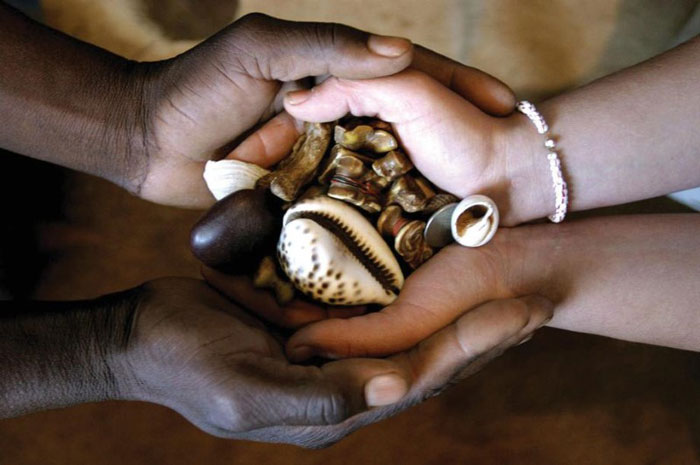
Traditional healers, known as grigris, are the most common practitioners of traditional medicine in Mali. Grigris use a combination of herbs and plants that have medicinal properties, as well as spiritual beliefs and rituals, to treat illnesses. Grigris believe in the power of nature and harness this power to heal. In addition to herbs and plants, grigris often use charms, ritual ceremonies, and prayers as part of their treatments. Traditionally, grigris treat many different kinds of illnesses, from physical ailments to psychological and spiritual issues.

Though traditional medicine is deeply embedded in Mali culture, modern healthcare is also readily available. In fact, many grigris supplement their practice with modern medicine. Most Malian doctors understand the importance of traditional medicine in Mali and embrace it as part of holistic care. In some cases, modern medicine is used to supplement traditional medicine, whereas in other cases, traditional medicine is used in place of modern healthcare.

Traditional healers are seen as guardians of Mali culture, and they are highly respected. Grigris often play an important role in the local community, providing advice and support to patients in addition to treating illnesses. Though their treatments may not be as “scientific” as modern medical treatments, grigris are skilled practitioners who use ancient remedies to provide care. In recent years, grigris have become even more popular as more people seek alternative treatments for chronic illnesses.

Traditional medicine in Mali is an important part of the country’s culture and healthcare system. Grigris are highly respected healers who use herbs, plants, and spiritual rituals to treat a variety of illnesses. Though modern healthcare is readily available, traditional medicine is often used in addition to modern medicine, or in place of it. The use of traditional medicine in Mali is a testament to the long and rich history of the country.

A Look At What Needs To Be Improved

Mali is a home to many of Africa’s poorest citizens. Its healthcare system is lacking and its people suffer from a variety of medical conditions due to lack of proper treatment. Poor infrastructure separates the already mistreated and marginalized Malians from the healthcare they need, and many do not have access to skilled medical practitioners, modern treatments, or widespread vaccinations. As such, it is essential to address the infrastructure shortcomings that are hampering the healthcare in Mali.

There are a few key components of the healthcare infrastructure that need to be addressed if Mali is to improve its health care provision. These include medical facilities, transportation, communications, education, and the availability of medical supplies. Currently, medical facilities are too few and extremely limited in their capacity for providing necessary treatments to those that live in remote areas. There are also too few medical personnel available to meet the needs of the individuals in more urban areas.

The transportation infrastructure in Mali is also far from ideal. There are limited resources, making it difficult for people to get to clinics or hospitals for proper medical care. Additionally, the communication infrastructure is often poor, making it nearly impossible to receive medical advice and treatment information from hospitals and other medical personnel.

Furthermore, education is needed to ensure that those in need of medical care receive the treatments they need. Too often, many individuals are reluctant to seek medical care based on a lack of knowledge of their condition, and what treatments are available. Efforts need to be made to ensure that those living in rural areas, especially, are educated about different medical conditions, treatments, and the availability of medical services.

Finally, the availability of medical supplies is critical for providing effective medical care to those in need. For those living in remote locations, the cost of medications and other medical equipment may not be feasible and must be addressed. Additionally, the availability of medical supplies in the area must be addressed as well.

Taken together, these issues spell out a clear need for investment in the healthcare infrastructure in Mali. Improved transportation, communication, and access to medical supplies are all key components to increasing access to care. Additionally, efforts need to be made to educate the population on how they can best access and use the available medical services. Overall, a meaningful investment in Mali’s healthcare infrastructure is essential for improving the health of its citizens.

By investing in Mali’s healthcare infrastructure, numerous benefits can emerge. Improved transportation, communication, medical supplies, and education are just a few of the advantages that can be achieved. The public health of citizens can be improved, and access to necessary treatments can become more easily available across the country. Additionally, a better health care system will only serve to increase the economic opportunities and the quality of life for all Malians.

The healthcare infrastructure in Mali needs to be improved to better meet the needs and health of its people. The current system is inadequate and does not address the issues of isolated populations that require specialized care. With an investment into the infrastructure, improved medical facilities and personnel can be achieved, transportation, communication, medical supplies, and education can be improved and access to care can become more easily available to those living in rural areas. By making the investments, Mali can improve the health of its citizens and set the foundation for a bright future.

Exploring Mali For Healthcare

Are you looking for a chance to explore a unique culture and discover a new way of looking at healthcare? Mali is one of the most fascinating countries in Africa and a great place to explore if you want to learn more about health and healthcare.

Mali is a landlocked country in West Africa bordered by Algeria, Burkina Faso, Guinea, Ivory Coast, Mauritania, Senegal, and Niger. The people of Mali have a long and complex cultural history, and this is something that should be explored if you have the opportunity to travel there. Mali is known for its music and art, which are vibrant and colorful expressions of its interesting heritage.

Much of the healthcare infrastructure in Mali is rudimentary, but there are still many places where you can learn and explore. If you’re interested in learning more about traditional or alternative healthcare in Mali, it might be worth visiting one or two of the larger cities in the country. Bamako is the country’s capital, and its University of Science, Technology and Medicine offers many courses related to health and medicine. You’ll also be able to investigate traditional and alternative practices such as herbal medicine and acupuncture, which are popular in Mali.

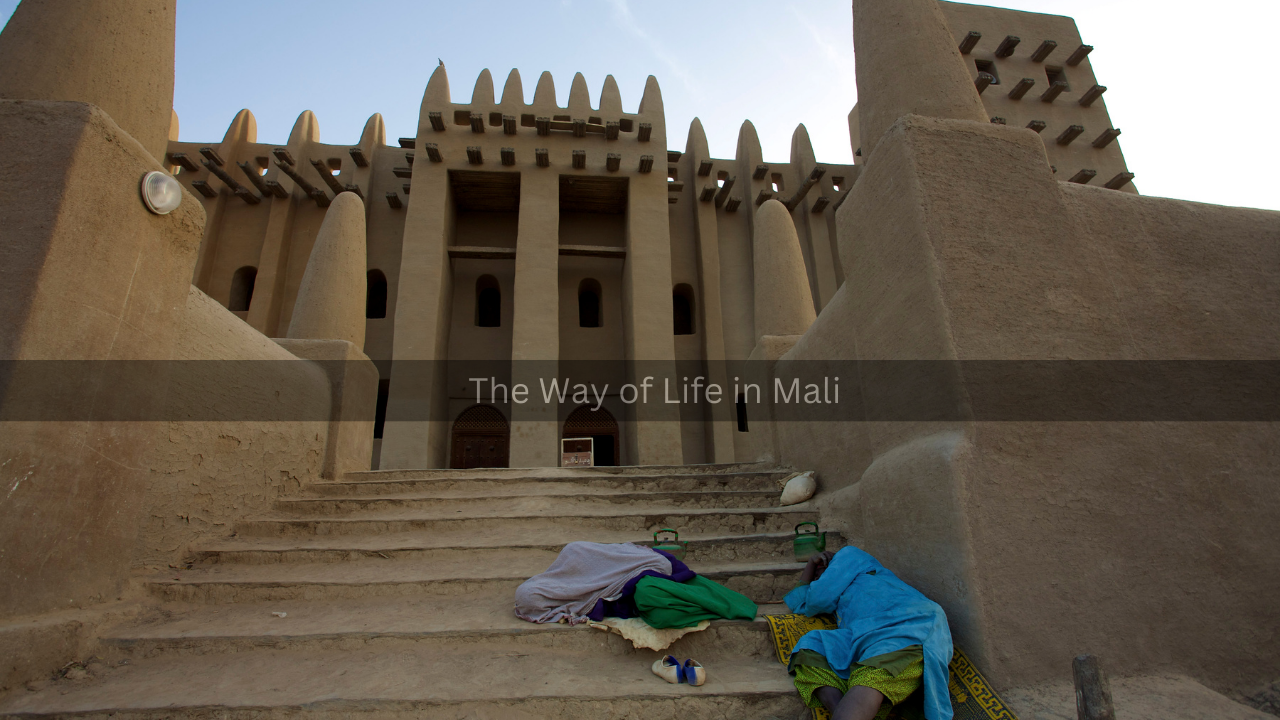
If you are looking for a cultural experience, you should not miss out on visiting some of Mali’s cultural and religious sites. The country boasts some of the world’s most famous landmarks such as the old mosques at Timbuktu, the UNESCO World Heritage Site at Djenne, the Great Mosque at Mopti, and the World Heritage Site at Djenne. These are just a few of the sites where you can experience the fascinating culture and religions of Mali.

Healthcare in Mali is far from perfect, but the country has made great strides in improving in recent years. The number of healthcare facilities and personnel has increased, and the country now offers a good range of healthcare services, including vaccinations and hospital care.

In conclusion, Mali is an exciting place to explore for anyone interested in healthcare and medicine. The country has a rich cultural history and a variety of health-related sites and services that should be thoroughly explored if you can make the time to travel there. Not only will you learn a great deal about healthcare in Mali, but you will also come away with an interesting perspective on a culture and country that is far from the Western world.

Empowering Local Communities

Mali is a country in West Africa that faces a range of health challenges. Access to quality medical care and the resources to meet basic health needs are limited, and endemic illnesses such as malaria, river blindness, and infectious diseases like HIV/AIDS are endemic. In addition, Mali has seen an increasing number of refugees and internally displaced peoples due to conflict in the region, adding an additional strain on the already stretched medical infrastructure. As such, a well-balanced and coordinated approach to health care for the country is essential to ensure all Malians are able to receive the health care that they need and deserve.

One approach to addressing health issues in Mali is to focus on prevention and outreach. This means focusing on the root causes of health problems in the country, such as access to clean water and sanitation, proper housing, proper nutrition, and access to basic medical services. Education is also a key component of this approach, as it not only increases the understanding of health issues, but can help reduce the stigma attached to certain diseases, such as HIV/AIDS, and encourage people to come forward with their health issues.

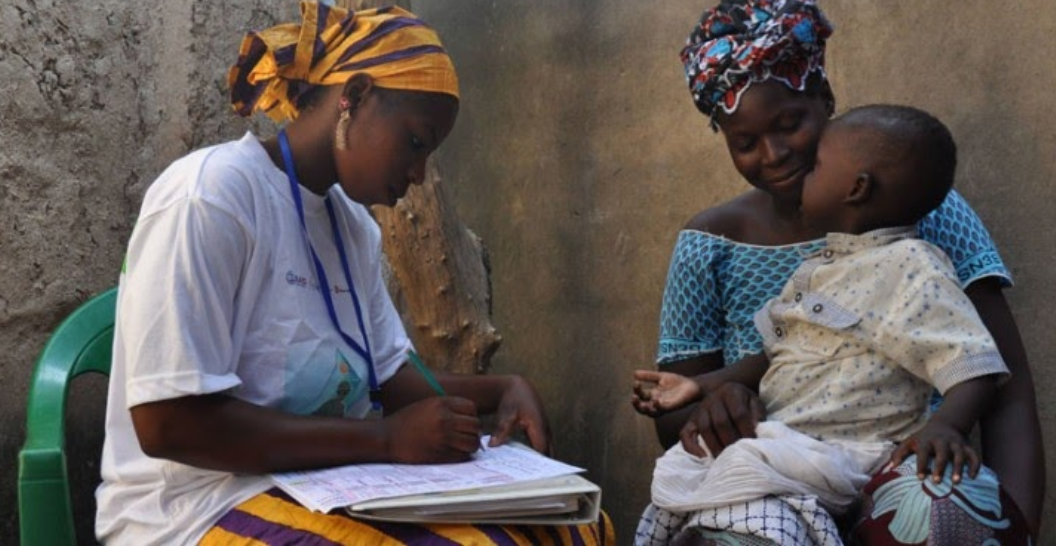
Another approach is to build capacity at the local level. Community health workers are a crucial part of this. They play a vital role in providing basic medical services to those who cannot afford or access more sophisticated health care options. Community health workers also work with local leaders to identify and address health concerns, and are often the first responders in the event of crisis or natural disaster.

At the same time, it is important to ensure that the national health care system is well structured and adequately funded. This means ensuring that the health system is well-resourced, that public health measures are in place, and that the right incentives are in place to promote high-quality care. In this context, it may be necessary to explore options such as introducing a medical insurance scheme, expanding the reach and coverage of the public health system, and working with the private sector to ensure quality control and access to medical services.

Finally, Mali must also strengthen its health governance processes. This includes improving the capacity of government agencies, such as the Health Ministry, to coordinate services, plan interventions, and track progress. Strengthening the local capacities of health workers and administrators is also essential. Local authorities should be better equipped to understand their communities’ health needs and respond in an effective and efficient manner.

In sum, balancing health care for Mali requires a holistic approach that not only involves providing quality medical services, but also empowering local communities and strengthening health governance processes. Investing in community health workers, improving access to basic medical services, and better coordinating health initiatives at the national level are all essential components of this approach. When combined with the right policies and incentives, this approach will create a healthier and more equitable society in Mali.

Health and wellness in Mali

Mali is a country in West Africa that has a long tradition of health and wellness practices. Historically, health and wellness have been seen as essential components of the well-being of the entire population. The importance of health and wellness is reflected in the rich cultural heritage of Mali, which is filled with inventive practices, beliefs and traditions. These practices are passed down from generation to generation, and often are still used today as part of traditional medical care.

The culture of Mali features a focus on preventative health care. It is common to see traditional healers and health practitioners such as traditional herbalists, midwives, healers, and masaas, providing routine care for communities. Malians also had a sophisticated understanding of infectious diseases, such as plague or malaria, and were able to treat them through both traditional and Western medical means.

Traditionally, attention to health and wellness was part of a holistic approach to physical and spiritual life. While many traditional techniques were used to maintain health and well-being, most focused on prevention, balance, and nutrition rather than on treating specific disease entities. For example, traditional healers drew upon an eclectic range of materials for their cures, including herbs, ritualistic practices, and animal parts.

Mali also had a strong tradition of preventive care through traditional medicine. Practices such as massage, air bath, fumigation, and dietary modifications were commonly used to protect the health of individuals and communities. These practices were based on the idea that the environment, no matter how hospitable, could still contain a variety of unseen germs and parasites which could affect a person’s health.

In traditional Mali healthcare, midwives were often the primary care providers, as well as the educators and source of information about health and wellness. Midwives were the main providers of care to pregnant women, as well as providing postpartum care for mothers and newborns. They were also responsible for educating women on proper nutrition during pregnancy, as well as offering advice on diet, exercise, and hygiene.

In more recent times, health coverage in Mali has improved greatly with the introduction of the country’s Ministry of Health in 1980. The national health system provides basic services to its citizens and also provides funding for preventative health initiatives like vaccination programs and nutrition workshops. The global reach of public health initiatives has led to an increased awareness of the need to maintain healthy lifestyles among Malians as well.

Health and wellness can be achieved in Mali through a combination of traditional medicine, modern medical care, a well-rounded lifestyle, and preventative practices. By taking steps to promote physical and mental health in the country, Mali can continue to develop its human potential, and create a more prosperous and healthy future.

An Overview of the Health Care System

Mali is a country located in the Sahel region of West Africa. Mali is the eighth-largest country in Africa, with a population of 19.8 million people. The country is one of the poorest in the world, with an estimated Gross Domestic Product per capita of $750. Despite the country’s low income, Mali has made great strides in improving its health care system over the last 30 years. In this article, we will look at the current state of healthcare in Mali, its challenges, and some of the progress that has been made.

Health Care Access in Mali

In Mali, access to healthcare is still a challenge. Health care coverage is limited in the rural and remote areas, where the majority of the population lives. Out-of-pocket payments constitute the main source of health care financing, a situation which is especially challenging for the poor. It has been estimated that only 40% of the population has access to healthcare. Moreover, only 55% of children receive the recommended vaccinations, and only 62% of women attend childbirth with a skilled health worker.

Health Care Infrastructure in Mali

The healthcare infrastructure in Mali is still deficient. There are only two hospitals providing secondary care: the University Hospital Center of Point G and the Centre Hospitalier National de Bamako. There are also several health centers which provide primary care services. The infrastructure and the quality of care provided need improvement. For instance, there is a lack of facilities to treat serious health problems like cancer.

Health Care Budget in Mali

The government of Mali spends around 5.5% of its Gross Domestic Product (GDP) on healthcare. This percentage is below the international benchmark of 5-10%, and only about a third of the total is allocated to public healthcare services. The country has been working on a plan to reduce health expenditures by using performance-based financing and privatizing a number of health services, but this plan has not yet been implemented.

Health Care Challenges in Mali

Access to healthcare is not the only challenge in Mali. Health care infrastructure, the quality of the health care provided, and the overall health system need improvement. The government subsidizes some of the health care services, but this is not enough to give everyone in the country easy access to healthcare. Moreover, the country has high rates of maternal and infant mortality, and there is a need for better health education in order to decrease these figures.

Progress in Healthcare in Mali

Despite the challenges, there has been progres in the healthcare system in Mali over the past 30 years. Health expenditure per capita has increased from a small amount in 1990 to $35 per capita in 2017. Mali has also started rolling out a universal health coverage plan in 2013 and has been increasing the number of physicians and nurses stationed in rural areas. In addition, the country has invested in the construction of health centres and is implementing a system of performance-based financing, which aims to ensure better access and quality of health care.

Conclusion

Mali still faces a number of challenges when it comes to the provision of health care services. Access to care and the quality of care are still limited in some areas. Moreover, the country’s health care budget has not been sufficient to provide adequate healthcare to all its citizens. Nevertheless, there has been progress, as the government has been increasing its health expenditures and investing in health infrastructure. The universal health coverage plan should also help improve access to care. With these measures, it is hoped that the health care system in Mali will continue to improve and that the population’s health will benefit from it.

Allergic Asthma VS Non-Allergic Asthma

Allergic asthma, which is “also known as allergy-induced asthma” is ‘caused by an allergic reaction.” The easiest way for one to recognize whether he/she has this form of asthma is if he/she has “trouble breathing during allergy season.” Two common allergens that cause the most trouble are pollen and mold. Consequently, pollen can be found in several trees such as “Oak, Western red cedar, Sycamore, Maple, Elm, Birch, Ash, Cypress, Walnut, Hickory, and Poplar.”

When a person is subject to these types of allergens and ends up breathing them in – and/or inhaling them – they can begin to experience several symptoms. A runny nose, itchy eyes, and frequent sneezing is a normal way in which the body reacts. The reason for this is because pollen is “a mass of microspores in a seed plant appearing usually as a fine dust.” This fine dust makes it that much easier for the pollen to make its way into a person’s nose, especially when they are out and about during the Springtime and surrounded by all the new plant growth. One who is allergic to mold will experience the same kind of symptoms.

In contrast, is non-allergic asthma which “has a range of triggers, including weather conditions, exercise, infections, and stress.” Symptoms for both forms of asthma are similar, so if one was to just look at their symptoms then they could easily mistake it for one or the other. The biggest way, however, that this form of asthma is diagnosed if one is experiencing it without the help of allergens. In other words, “something other than allergens triggers an immune system response” which is the biggest determining factor above all else.

Fortunately, treatment options are available for both types of asthma in the form of antihistamine, steroid, and/or an anti-inflammatory. However, it’s always a good idea for one to seek out a medical professional rather than to try and self-diagnose his/her symptoms himself/herself. In doing so, the person in the health field can better determine what further action needs to be taken so that the person’s reaction – and/or symptoms – can be reduced.           

In conclusion, treatment options available make it so that the person doesn’t have to just suffer through his/her attack, and/or try to cope with them on his/her own, but instead helps get rid of the allergic reaction that has occurred as a result of whatever may have triggered it. Preventing these symptoms – or relieving them completely – allows one to breathe fully, and live a happier and healthier life, rather than to feel restricted by his/her condition.

Drugs & Cancer

As many of us may know drugs have the potential to result in the death of an individual. But, alternatively, if such an unfortunate consequence doesn’t come, one just as worse may reside in its place—coming in the form of cancer. However, this is oftentimes something that a number of people overlook. They see a billion advertisements on the tv of someone smoking a cigarette, in addition to the nightmarish effects that come with tobacco products. Yet, what they fail to realize, as a whole, is just how much it can heighten one’s risk of cancer—as certain toxins and cancer are closely related.  

First and foremost, cancer is defined as “a disease caused by an uncontrolled division of abnormal cells in a part of the body.” With this definition, we can gain a better understanding of what lung cancer is. It’s through such that one who abuses these substances can visualize the physical deterioration—happening within his/her body—that goes unseen by the human eye. In turn, lung cancer is “the uncontrolled growth of abnormal cells in one or both lungs. As they grow, the abnormal cells can form tumors and interfere with the functioning of the lung, which provides oxygen to the body via the blood.”

If one was to really and truly known of all the chemicals contained in even one cigarette, he/she would be a lot less likely to continue in such a fatal habit. However, a number of people disregard the harm that it’ll cause them because they don’t feel as though it can happen to them until it happens. Others may want to stop, but find themselves too far addicted to do so. But for those unaware of the all that’s found in tobacco smoke, some of its contains are included but not limited to; acetone, arsenic, tar, butane, benzene, lead, methanol, nicotine, toluene and so on. 

In conclusion, it is best that one gets the help he/she needs before it’s too late. In doing so, he/she will be able to not only gain relief but release, so that he/she may be able to resume living a healthy life. Health risks of cancer—and/or even death—can be decreased exponentially as he/she begins to take care of himself/herself in the right way(s). And by seeking out treatment, he/she can tackle his/her drug problem right at the source.